




.svg)


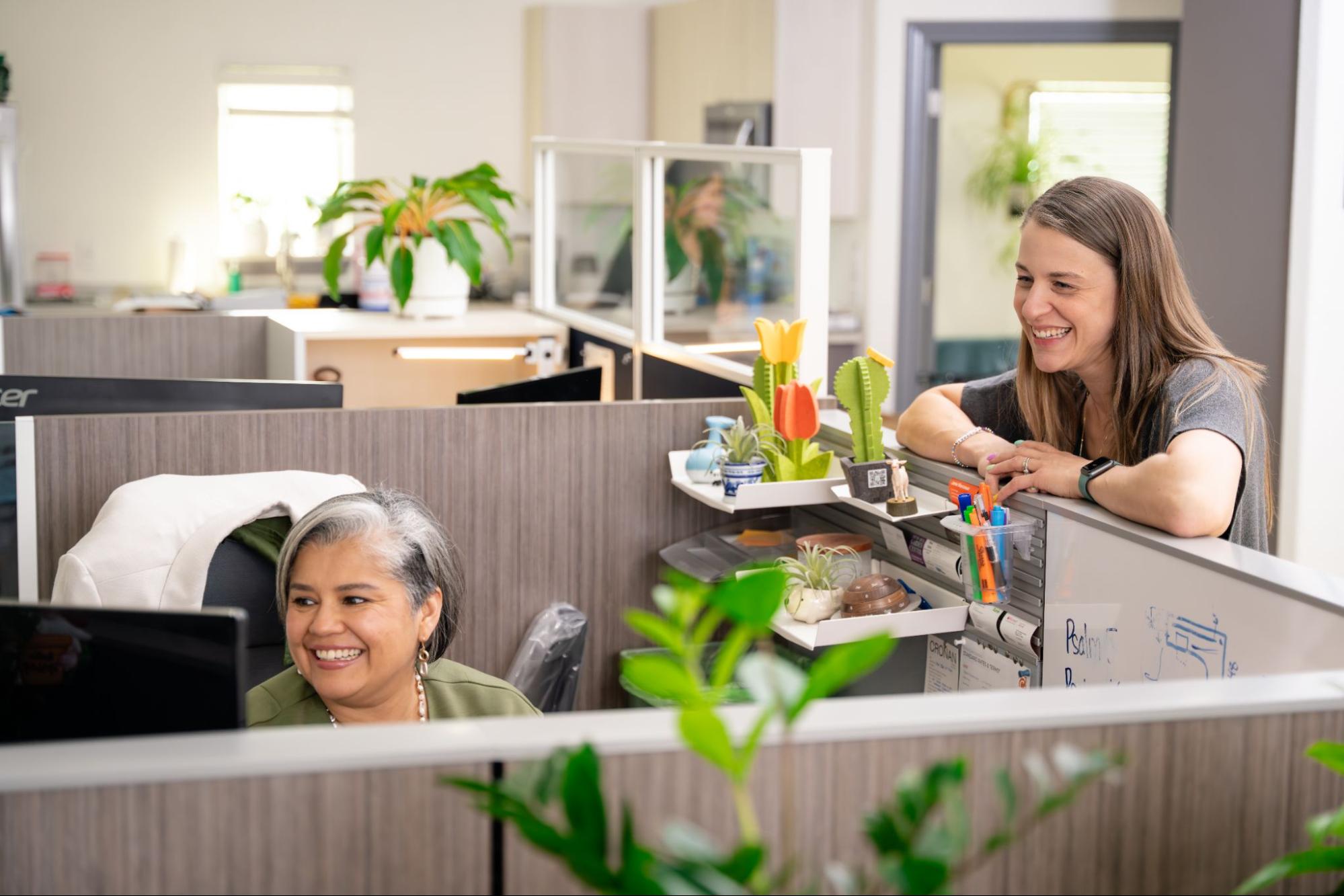
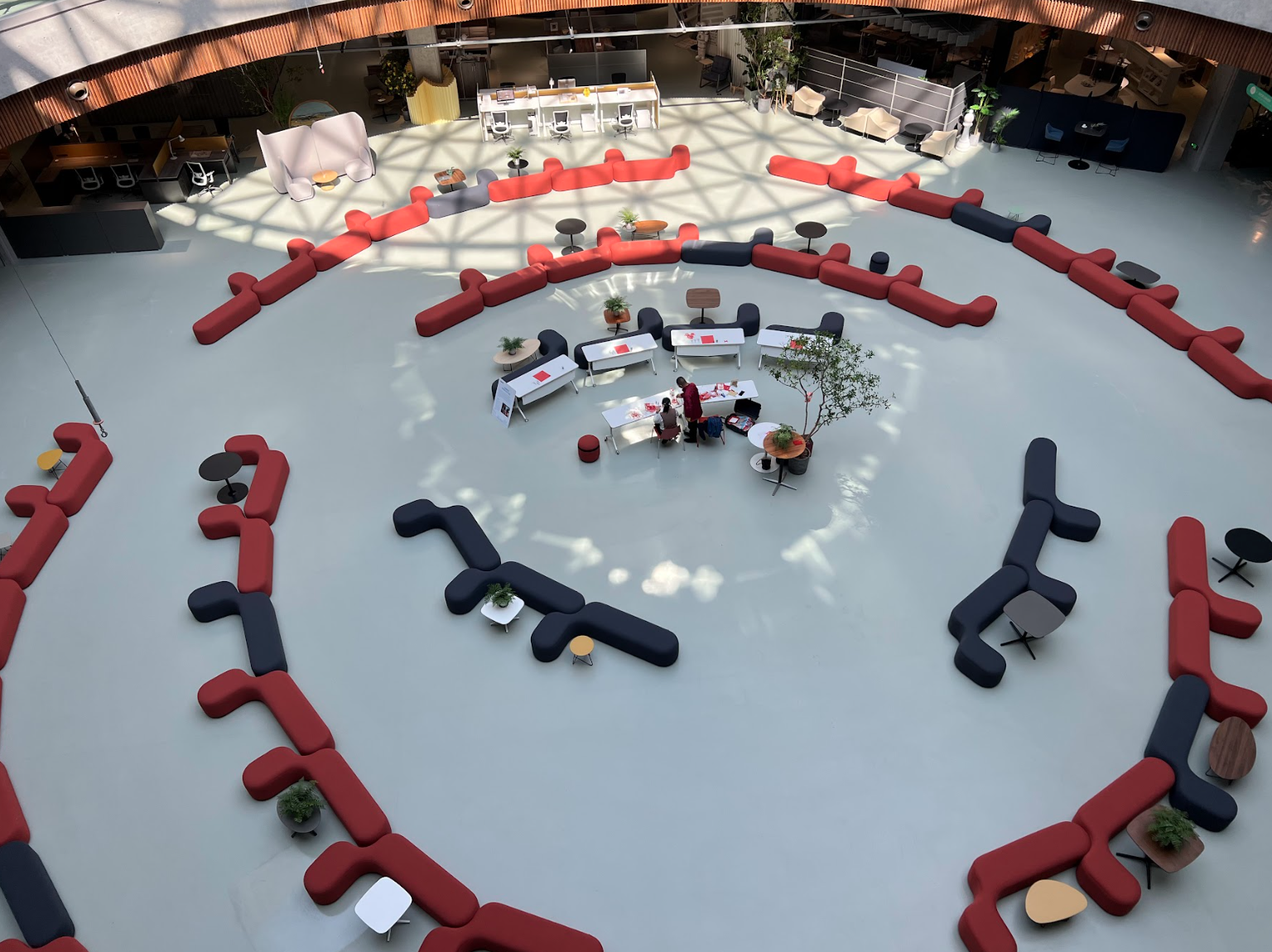
We’ve all experienced that specific 3:00 PM slump. It’s the moment when your spreadsheet starts to blur, and your neck feels like it’s being gripped by a particularly disgruntled lobster. You shift left, you shift right, you perform that awkward "shoulder roll" you saw on a wellness vlog, but the phantom weight remains.
For decades, the word "ergonomics" was a sterile term relegated to clunky keyboard trays and those bizarre, mesh-heavy chairs that looked more like NASA pilot seats than office furniture.
But as the boundary between our digital and physical lives dissolves, ergonomics has undergone a glow-up. It is no longer just about preventing a sore back; it is about the architecture of living. It’s a human-centric design philosophy that fuels creativity, keeps morale from flatlining, and—quite literally—keeps the global workforce in motion.
In this deep dive, we’re exploring how commercial workspaces across the globe are ditching the one-size-fits-all box and embracing a fluid, open approach to how we inhabit our professional lives.
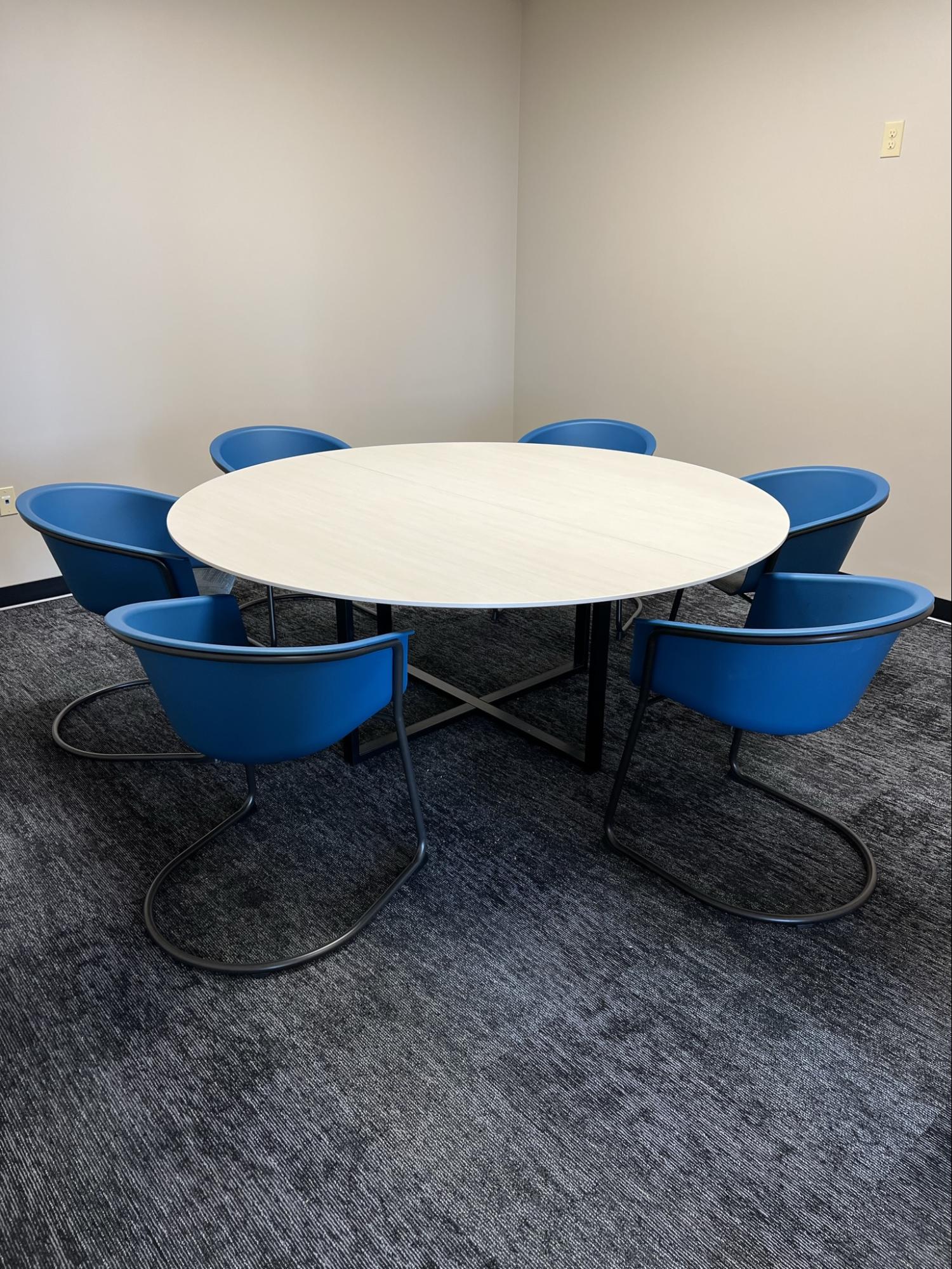
At its heart, ergonomics is the art of fitting the world to the human, rather than forcing the human to bend to the world. Think of it like a bespoke suit. If you’re wearing a jacket three sizes too small, you aren’t going to deliver a world-class presentation; you’re going to spend the entire meeting wondering if your seams are about to snap.
In the modern landscape, this type of fit extends far beyond the seat of a chair. It’s the soft glow of lighting that mimics the circadian rhythm to prevent migraines; it’s the acoustic hush that allows for deep work; and it’s the layout that nudges us to stand up and breathe.
To see ergonomics in its most creative forms, we have to look at how different corners of the world are solving the desk-bound epidemic.
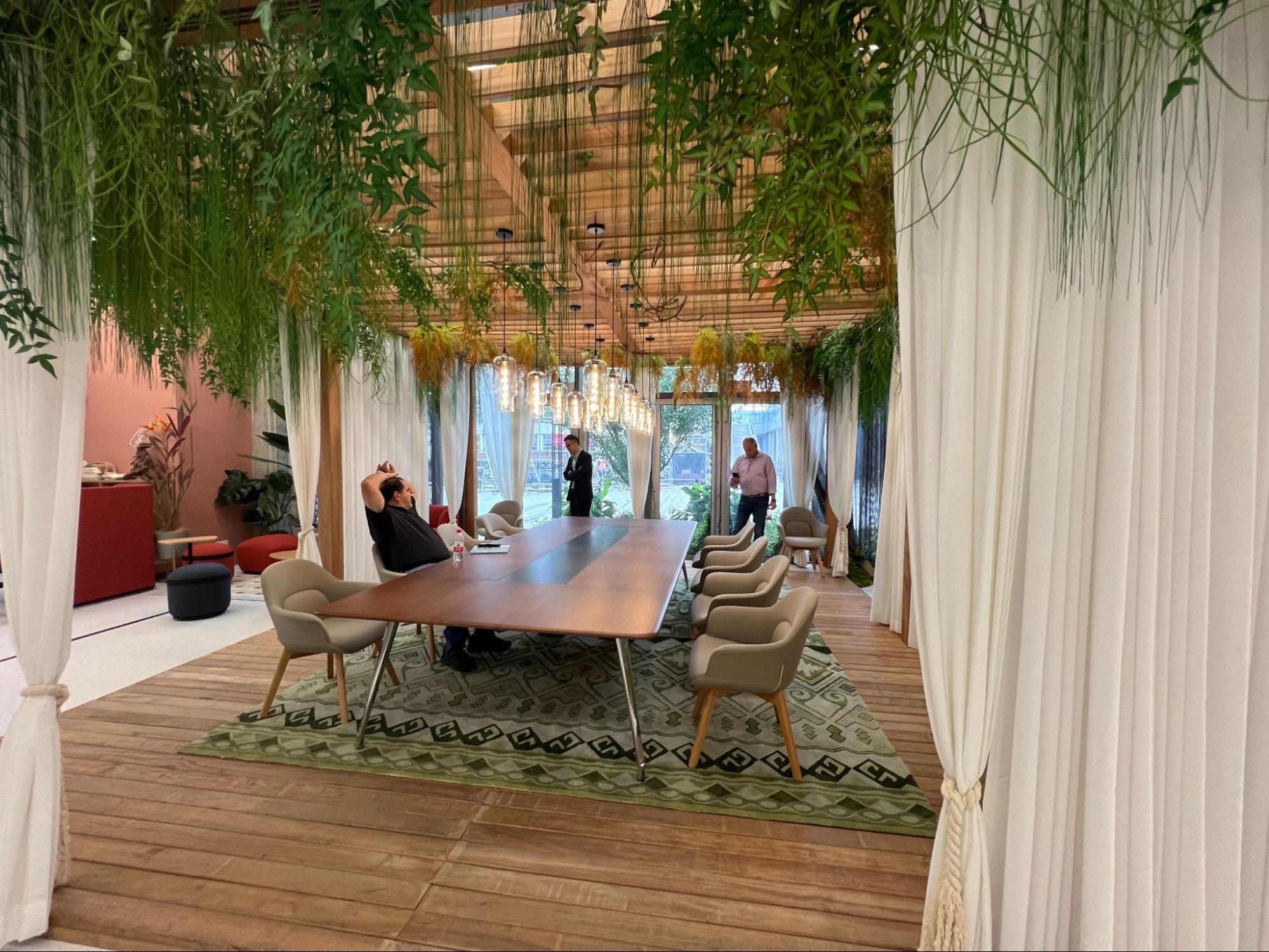
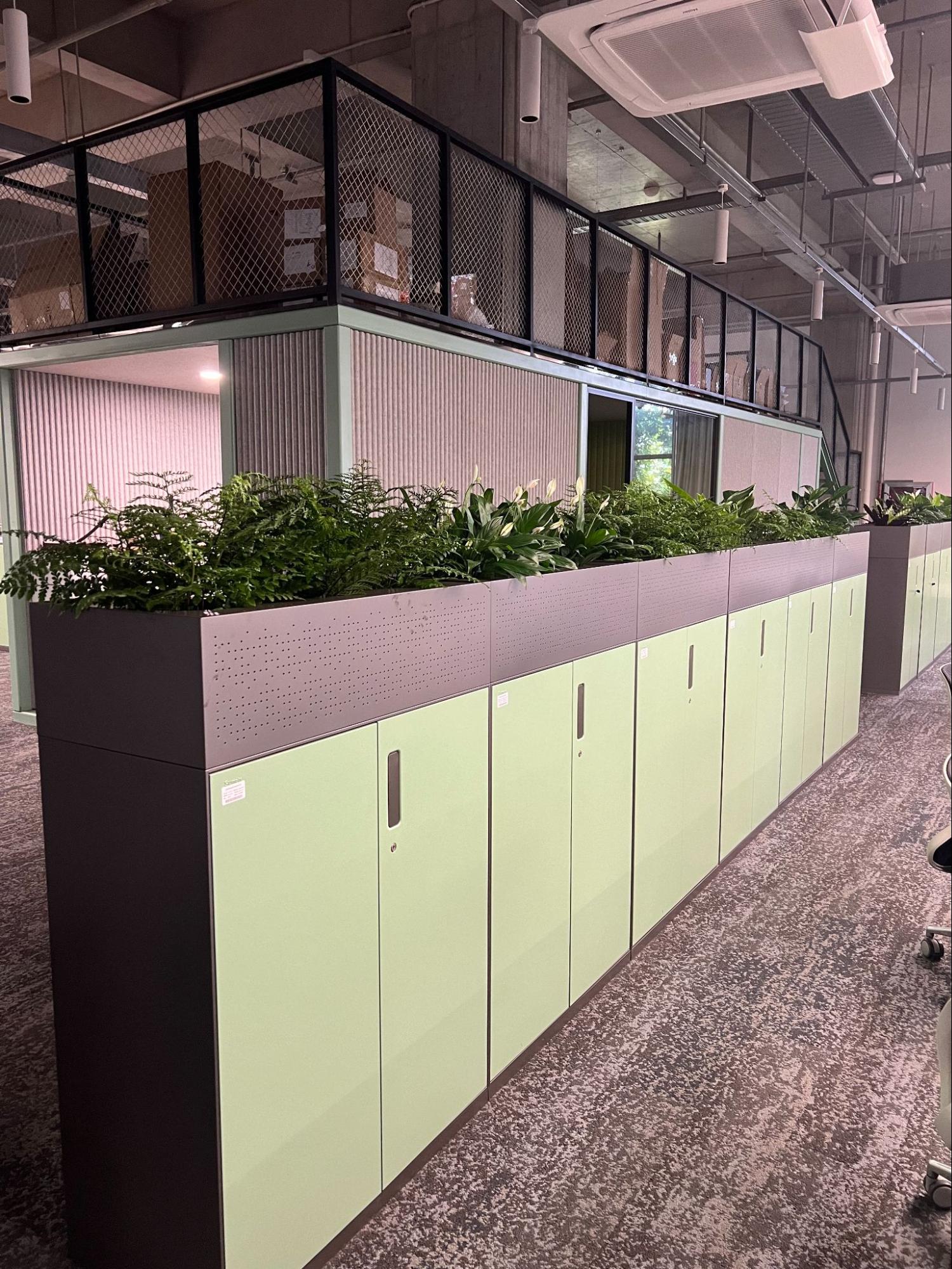
If you’re looking to audit your own environment, ignore the gimmicks and focus on these three pillars. They are the high-value shifts that turn a stagnant office into a high-performance studio.
1. The Fluidity of Motion
The "Standing Desk" was a great first step, but the real goal is dynamic movement. We are seeing a shift toward "weight-sensitive" furniture—task chairs that sense your center of gravity and adjust their tension automatically whether you’re leaning in to crack a code or reclining to take a visionary phone call.
2. The Visual Horizon
Eye strain is the silent thief of productivity. The most forward-thinking designs now prioritize "The 20-20-20 Rule" (every 20 minutes, look 20 feet away for 20 seconds). Logistically, this means placing workstations near windows or creating long, open sightlines that allow the eye to "travel" and rest on the horizon.
3. The Sound of Silence (and Focus)
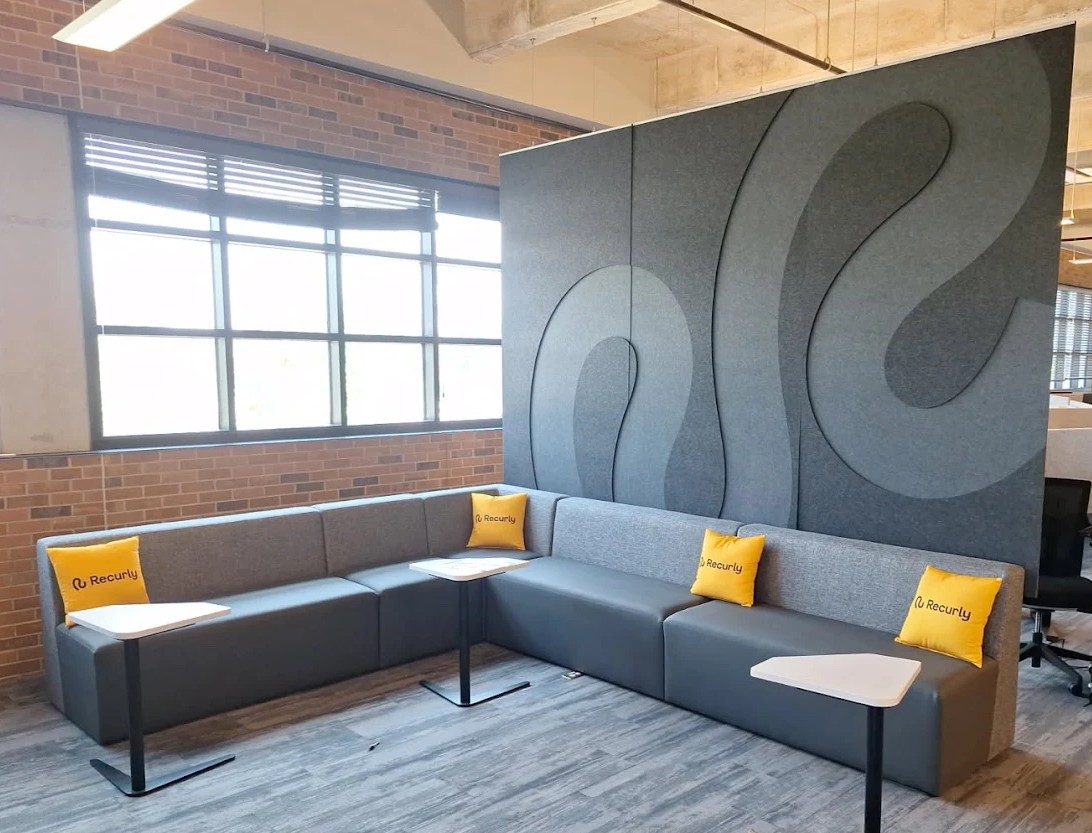
Have you ever tried to draft a complex proposal while a coworker three feet away recounts their weekend in excruciating detail? That’s an ergonomic failure. Noise pollution causes us to subconsciously hunch our shoulders and grit our teeth. The modern solution? Sound-absorbing "clouds" suspended from the ceiling and felt-wrapped partitions create a private "cockpit" of focus amidst the chaos.
Too often, businesses view ergonomic upgrades as a luxury—a "nice to have" for the tech giants of Silicon Valley. But the math tells a grittier story. In the United States, work-related musculoskeletal disorders (MSDs) account for nearly 33% of all worker injury cases.
But beyond the medical bills is the hidden cost of discomfort. A worker in pain is a worker who is watching the clock. A worker who feels supported, physically and mentally, is a worker who can actually inhabit their genius. By investing in the physical well-being of a team, you aren't just buying furniture; you’re buying insurance against burnout.
In Austin’s high-velocity tech scene, aliveness isn't just a design theory—it’s a competitive necessity. Look no further than PMG’s regional HQ in the Bank of America Tower. As a global digital branding powerhouse, PMG needed a workspace that could balance high-intensity collaboration with the need for deep, focused "heads-down" work.
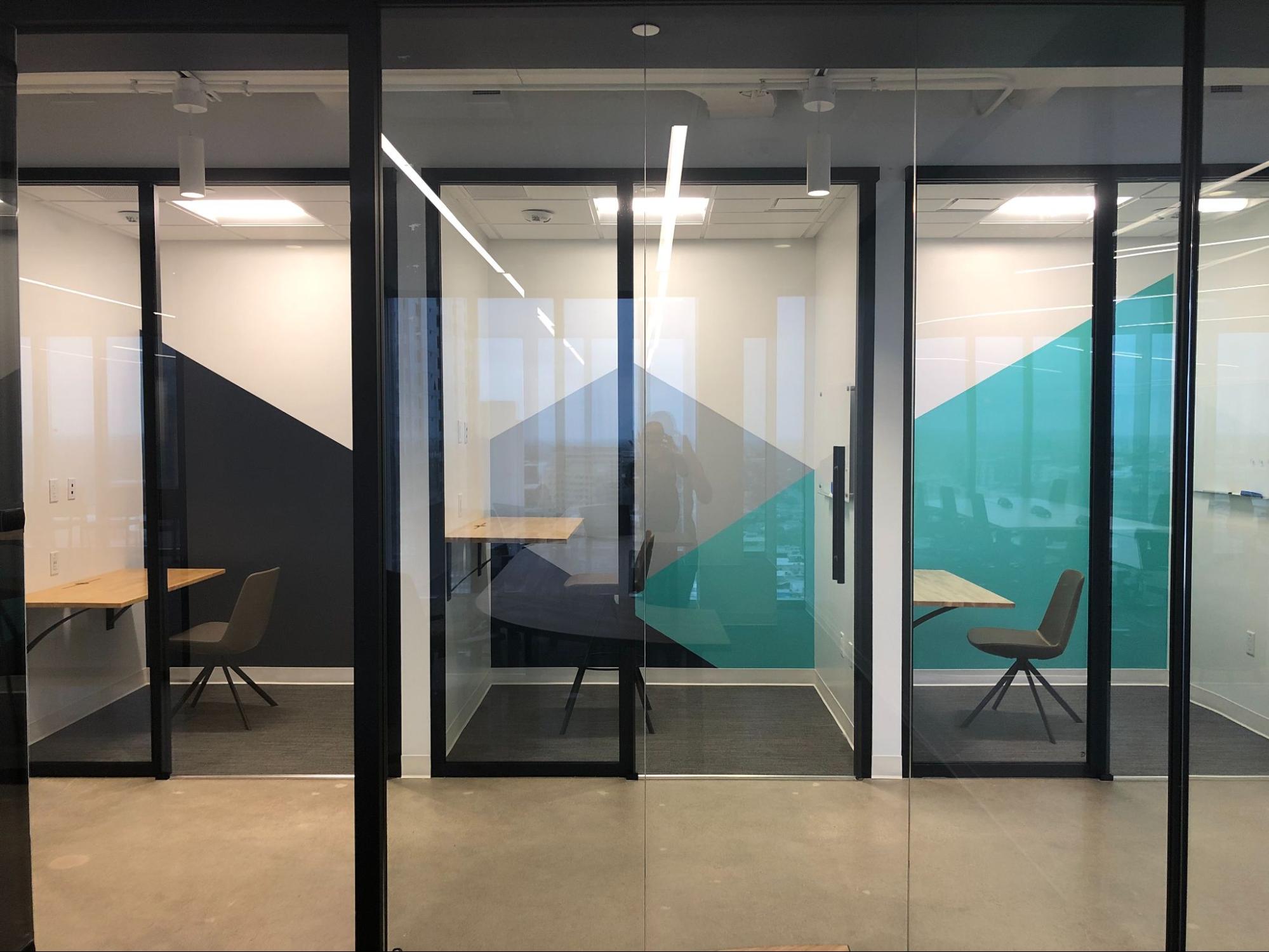
While many open offices fall victim to acoustic chaos, PMG masters the rhythm of the workday through strategic movement. The office isn't just a sea of desks; it’s a diverse ecosystem of 15,000 square feet designed for choice. Employees aren't tethered to one spot. Instead, they utilize the open workstations for focused bursts—roughly 25% of their day—before migrating to a sophisticated suite of glass-walled meeting rooms and private phone pods for client calls.
By segregating high-energy social zones (like the staffed coffee bar and cafe) from the quiet zones, Workscape helped PMG create an office that breathes. The noise stays behind closed doors, while the open areas remain a sanctuary for concentration. This "neighborhood" approach proves that the most productive offices aren't the ones where people sit still, but the ones that empower them to move.
Absolutely not. In fact, standing for eight hours straight is just as hard on your body as sitting. The "magic" is in the transition. The best ergonomic setup is one that allows you to oscillate between sitting, standing, and leaning throughout the day.
We’ve moved past the "orthopedic" aesthetic. Today’s best pieces are sleek, sculptural, and often made from beautiful, sustainable materials. You can have a space that looks like a high-end gallery while functioning like a high-performance laboratory.
The chair. It is the primary interface between the human body and work. After that, get those monitors up. Simply raising a screen to eye level is one of the fastest ways to improve the posture and mood of an entire office.
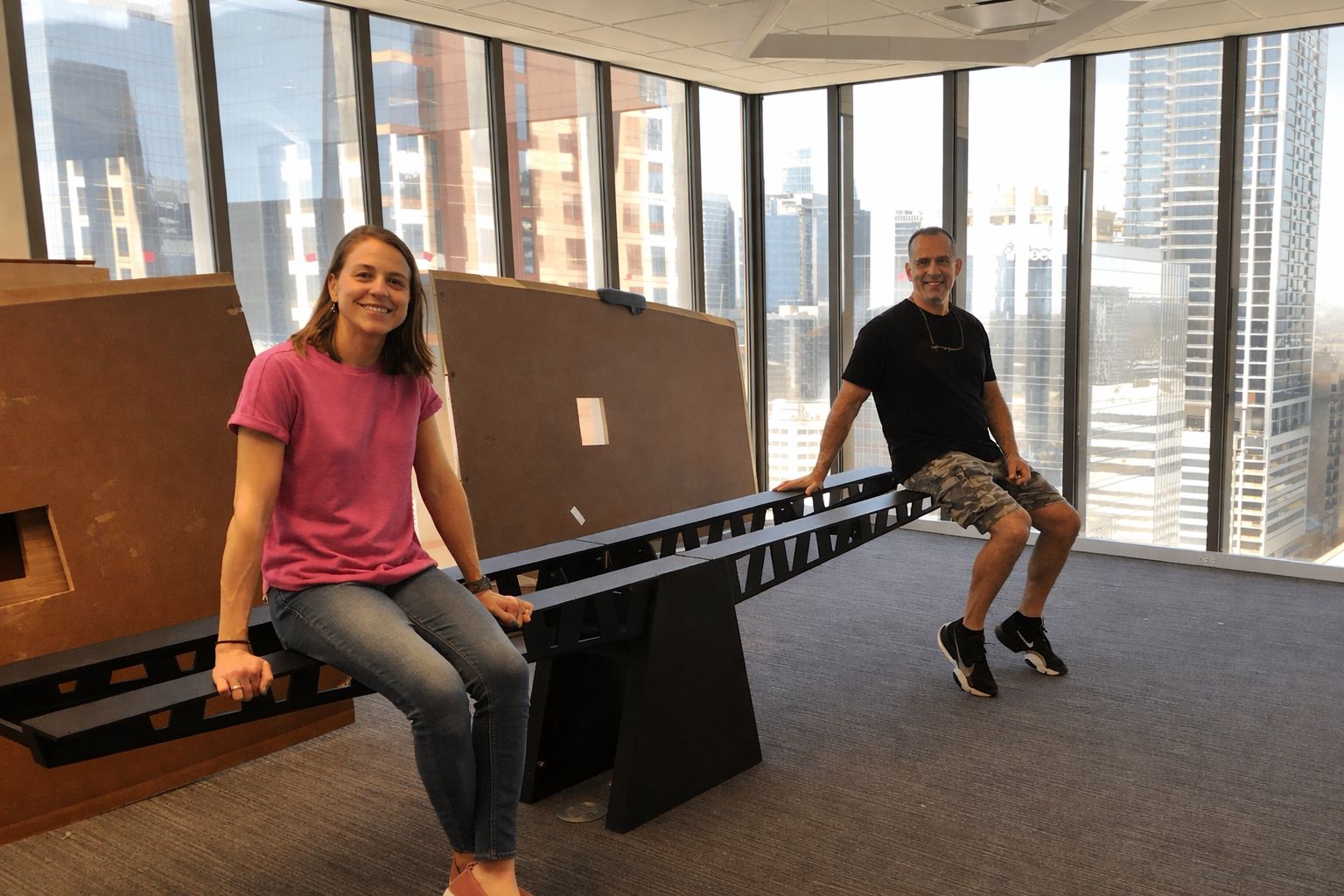
Creating a workspace that balances high-end aesthetics with peak physical performance shouldn't feel like an impossible puzzle. It’s about understanding the unique pulse of your team and building a home for their ambitions—one that supports them from the first hit of caffeine to the final "Send."
At Workscape Designs, we specialize in the alchemy of the modern office. We believe that a desk is more than a surface; it’s a launchpad for your next big breakthrough. From reimagining a single creative studio to executing massive turnkey office set ups, we’re here to handle the strategy, the style, and the heavy lifting.
Ready to give your team the space they deserve? Start your design journey with Workscape Designs
We’ve all experienced that specific 3:00 PM slump. It’s the moment when your spreadsheet starts to blur, and your neck feels like it’s being gripped by a particularly disgruntled lobster. You shift left, you shift right, you perform that awkward "shoulder roll" you saw on a wellness vlog, but the phantom weight remains.
For decades, the word "ergonomics" was a sterile term relegated to clunky keyboard trays and those bizarre, mesh-heavy chairs that looked more like NASA pilot seats than office furniture.
But as the boundary between our digital and physical lives dissolves, ergonomics has undergone a glow-up. It is no longer just about preventing a sore back; it is about the architecture of living. It’s a human-centric design philosophy that fuels creativity, keeps morale from flatlining, and—quite literally—keeps the global workforce in motion.
In this deep dive, we’re exploring how commercial workspaces across the globe are ditching the one-size-fits-all box and embracing a fluid, open approach to how we inhabit our professional lives.
At its heart, ergonomics is the art of fitting the world to the human, rather than forcing the human to bend to the world. Think of it like a bespoke suit. If you’re wearing a jacket three sizes too small, you aren’t going to deliver a world-class presentation; you’re going to spend the entire meeting wondering if your seams are about to snap.
In the modern landscape, this type of fit extends far beyond the seat of a chair. It’s the soft glow of lighting that mimics the circadian rhythm to prevent migraines; it’s the acoustic hush that allows for deep work; and it’s the layout that nudges us to stand up and breathe.
To see ergonomics in its most creative forms, we have to look at how different corners of the world are solving the desk-bound epidemic.
If you’re looking to audit your own environment, ignore the gimmicks and focus on these three pillars. They are the high-value shifts that turn a stagnant office into a high-performance studio.
1. The Fluidity of Motion
The "Standing Desk" was a great first step, but the real goal is dynamic movement. We are seeing a shift toward "weight-sensitive" furniture—task chairs that sense your center of gravity and adjust their tension automatically whether you’re leaning in to crack a code or reclining to take a visionary phone call.
2. The Visual Horizon
Eye strain is the silent thief of productivity. The most forward-thinking designs now prioritize "The 20-20-20 Rule" (every 20 minutes, look 20 feet away for 20 seconds). Logistically, this means placing workstations near windows or creating long, open sightlines that allow the eye to "travel" and rest on the horizon.
3. The Sound of Silence (and Focus)
Have you ever tried to draft a complex proposal while a coworker three feet away recounts their weekend in excruciating detail? That’s an ergonomic failure. Noise pollution causes us to subconsciously hunch our shoulders and grit our teeth. The modern solution? Sound-absorbing "clouds" suspended from the ceiling and felt-wrapped partitions create a private "cockpit" of focus amidst the chaos.
Too often, businesses view ergonomic upgrades as a luxury—a "nice to have" for the tech giants of Silicon Valley. But the math tells a grittier story. In the United States, work-related musculoskeletal disorders (MSDs) account for nearly 33% of all worker injury cases.
But beyond the medical bills is the hidden cost of discomfort. A worker in pain is a worker who is watching the clock. A worker who feels supported, physically and mentally, is a worker who can actually inhabit their genius. By investing in the physical well-being of a team, you aren't just buying furniture; you’re buying insurance against burnout.
In Austin’s high-velocity tech scene, aliveness isn't just a design theory—it’s a competitive necessity. Look no further than PMG’s regional HQ in the Bank of America Tower. As a global digital branding powerhouse, PMG needed a workspace that could balance high-intensity collaboration with the need for deep, focused "heads-down" work.
While many open offices fall victim to acoustic chaos, PMG masters the rhythm of the workday through strategic movement. The office isn't just a sea of desks; it’s a diverse ecosystem of 15,000 square feet designed for choice. Employees aren't tethered to one spot. Instead, they utilize the open workstations for focused bursts—roughly 25% of their day—before migrating to a sophisticated suite of glass-walled meeting rooms and private phone pods for client calls.
By segregating high-energy social zones (like the staffed coffee bar and cafe) from the quiet zones, Workscape helped PMG create an office that breathes. The noise stays behind closed doors, while the open areas remain a sanctuary for concentration. This "neighborhood" approach proves that the most productive offices aren't the ones where people sit still, but the ones that empower them to move.
Absolutely not. In fact, standing for eight hours straight is just as hard on your body as sitting. The "magic" is in the transition. The best ergonomic setup is one that allows you to oscillate between sitting, standing, and leaning throughout the day.
We’ve moved past the "orthopedic" aesthetic. Today’s best pieces are sleek, sculptural, and often made from beautiful, sustainable materials. You can have a space that looks like a high-end gallery while functioning like a high-performance laboratory.
The chair. It is the primary interface between the human body and work. After that, get those monitors up. Simply raising a screen to eye level is one of the fastest ways to improve the posture and mood of an entire office.
Creating a workspace that balances high-end aesthetics with peak physical performance shouldn't feel like an impossible puzzle. It’s about understanding the unique pulse of your team and building a home for their ambitions—one that supports them from the first hit of caffeine to the final "Send."
At Workscape Designs, we specialize in the alchemy of the modern office. We believe that a desk is more than a surface; it’s a launchpad for your next big breakthrough. From reimagining a single creative studio to executing massive turnkey office set ups, we’re here to handle the strategy, the style, and the heavy lifting.
Ready to give your team the space they deserve? Start your design journey with Workscape Designs

Want a Thriving Business? The Connection Between Workspace Aesthetics and Client Trust

Double Your Output: How Workspace Lighting Affects Employee Efficiency

