



.svg)


Look closely at your current layout. If your business followed the tech-startup design wave of the last decade, you are likely staring at a restless landscape of primary-colored accent walls, beanbags that nobody can gracefully exit, and storage bins overflowing with plastic gadgets. For years, executives operated under the assumption that injecting high-key visual chaos into a room automatically manufactured innovation. They were wrong. The era of the over-stimulated workspace is officially over, and the professional community is collectively celebrating its departure.
A quiet, highly strategic design philosophy is taking over corporate headquarters globally. It is called Japandi. This aesthetic represents the deliberate integration of Japanese minimalism and Scandinavian functionality. It prioritizes clean lines, organic textures, and a total rejection of unnecessary clutter. Modern enterprises are abandoning frantic setups in favor of architectural choices that treat employees like focused professionals. Japandi is winning the workplace war because it recognizes a fundamental reality: physical serenity drives cognitive performance.
Let us break down why this elegant fusion style is superior to the noisy office trends of the past and how a structured environment can rescue your staff from daily sensory overload.
To appreciate why Japandi functions so well in a corporate setting, you must understand its heritage. This is a balanced intersection of two distinct cultural design languages. From Japan, it extracts the principle of wabi-sabi, which embraces simplicity, natural elements, and unpretentious beauty. From Scandinavia, it borrows hygge, the practice of creating cozy comfort and physical contentment.
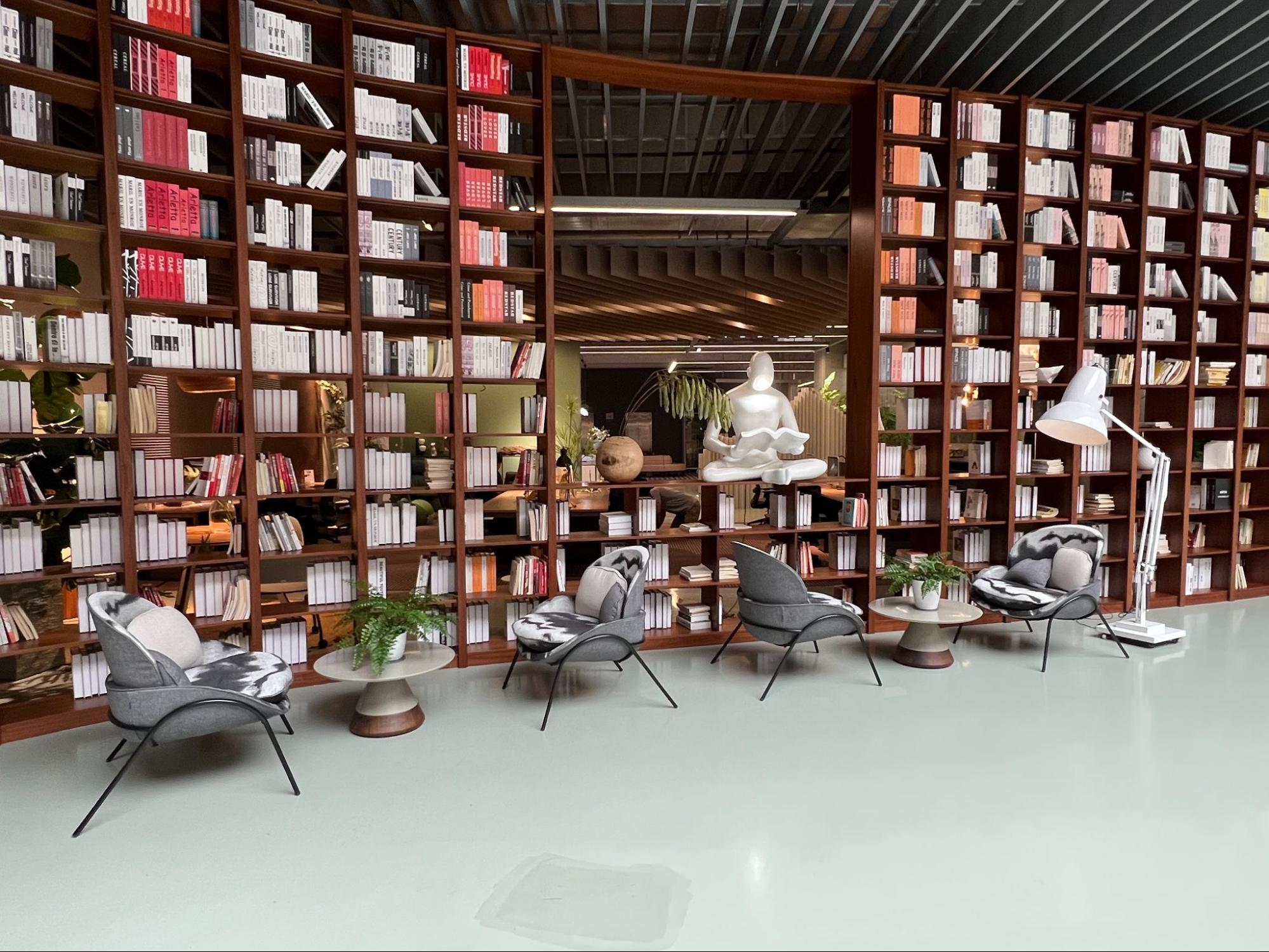
When you blend these two worlds, you build an environment that feels exceptionally clean without feeling clinical. Traditional minimalism often creates cold, sterile environments that resemble high-security medical facilities. Japandi completely sidesteps this flaw by introducing warm timber tones, tactile linens, and textured plaster walls. The result is a space that offers a visual pause, acting as a physical shield against the chaotic pace of modern deadlines.
Consider a mid-sized digital marketing firm that fully embraced the playful office trend. They painted their walls electric orange, installed a graffiti mural in the bullpen, and bought bright plastic storage carts. Management expected an explosion of youthful creativity. Instead, they witnessed a massive spike in remote work requests. Employees actively avoided the office, choosing to work from quiet coffee shops or their own bedrooms.
When questioned, the staff admitted that the physical layout gave them constant sensory fatigue. The peripheral visual noise made deep focus impossible. The company spent thousands on a loud, trendy aesthetic, yet they built a space that repels actual work. By replacing that visual circus with neutral earth tones, matte finishes, and hidden storage, the company could have retained its office culture and preserved team focus.
Are you unsure if your office qualifies as a calm sanctuary or a visual hazard? Use this straightforward audit to determine where your layout stands:
The Scandinavian influence on this style dictates that every piece of furniture must prove its utility. If an object does not serve a functional purpose or bring genuine aesthetic harmony to the room, it is eliminated.
Now imagine a traditional financial institution that tried to modernize its executive meeting room by adopting extreme, old-school minimalism. They installed a massive white-lacquered table, sharp white leather chairs, and bare glass partition walls. The room looked pristine in architectural renderings.
However, during real board meetings, the space became a nightmare. The acoustics were terrible; every spoken word echoed aggressively off the glass, making confidential discussions sound loud and distorted. The chairs offered no back support, causing physical fatigue during long sessions. The room felt freezing and intimidating, causing clients to feel guarded and defensive. By failing to include the warm, human-centric elements of Scandinavian comfort, the institution built a beautiful icebox rather than an effective environment for closing deals.
No, because Japandi relies heavily on organic materials and rich textures. While traditional minimalism strips a room down to bare white walls and metal, this style introduces natural oak, soft linens, woven wool rugs, and hand-cast ceramics. These elements inject immediate warmth, making the workspace feel calm, grounded, and deeply inviting rather than empty.
Absolutely. This philosophy prioritizes authentic craftsmanship and high-quality natural materials over cheap, mass-produced furniture. Solid wood, stone, and heavy-weave natural fibers withstand daily corporate wear far better than laminate veneers and plastic components, representing a superior long-term investment for your corporate space.
When the physical environment is orderly, the brain expends less energy filtering out background distractions. Studies consistently show that reducing visual noise lowers baseline workplace anxiety, extends attention spans, and improves cognitive processing speeds, allowing your team to engage in deeper focus.
Executing a perfect balance of Japanese restraint and Scandinavian comfort requires careful planning, spatial expertise, and a deep understanding of corporate ergonomics. At Workscape Designs, we specialize in helping progressive companies escape the cycle of chaotic office trends and sterile layouts. We analyze your workflow, evaluate your lighting, and introduce premium furniture systems that maximize utility while establishing a profound sense of peace.
Stop allowing a messy, disorganized physical workspace to compromise your team's focus and erode your brand's credibility. Your employees deserve a beautifully curated space where they can perform their best work, and your clients deserve an environment that projects stability and success. Ditch the temporary design gimmicks. Contact the design professionals at Workscape Designs today to schedule your consultation and elevate your office environment.
Look closely at your current layout. If your business followed the tech-startup design wave of the last decade, you are likely staring at a restless landscape of primary-colored accent walls, beanbags that nobody can gracefully exit, and storage bins overflowing with plastic gadgets. For years, executives operated under the assumption that injecting high-key visual chaos into a room automatically manufactured innovation. They were wrong. The era of the over-stimulated workspace is officially over, and the professional community is collectively celebrating its departure.
A quiet, highly strategic design philosophy is taking over corporate headquarters globally. It is called Japandi. This aesthetic represents the deliberate integration of Japanese minimalism and Scandinavian functionality. It prioritizes clean lines, organic textures, and a total rejection of unnecessary clutter. Modern enterprises are abandoning frantic setups in favor of architectural choices that treat employees like focused professionals. Japandi is winning the workplace war because it recognizes a fundamental reality: physical serenity drives cognitive performance.
Let us break down why this elegant fusion style is superior to the noisy office trends of the past and how a structured environment can rescue your staff from daily sensory overload.
To appreciate why Japandi functions so well in a corporate setting, you must understand its heritage. This is a balanced intersection of two distinct cultural design languages. From Japan, it extracts the principle of wabi-sabi, which embraces simplicity, natural elements, and unpretentious beauty. From Scandinavia, it borrows hygge, the practice of creating cozy comfort and physical contentment.
When you blend these two worlds, you build an environment that feels exceptionally clean without feeling clinical. Traditional minimalism often creates cold, sterile environments that resemble high-security medical facilities. Japandi completely sidesteps this flaw by introducing warm timber tones, tactile linens, and textured plaster walls. The result is a space that offers a visual pause, acting as a physical shield against the chaotic pace of modern deadlines.
Consider a mid-sized digital marketing firm that fully embraced the playful office trend. They painted their walls electric orange, installed a graffiti mural in the bullpen, and bought bright plastic storage carts. Management expected an explosion of youthful creativity. Instead, they witnessed a massive spike in remote work requests. Employees actively avoided the office, choosing to work from quiet coffee shops or their own bedrooms.
When questioned, the staff admitted that the physical layout gave them constant sensory fatigue. The peripheral visual noise made deep focus impossible. The company spent thousands on a loud, trendy aesthetic, yet they built a space that repels actual work. By replacing that visual circus with neutral earth tones, matte finishes, and hidden storage, the company could have retained its office culture and preserved team focus.
Are you unsure if your office qualifies as a calm sanctuary or a visual hazard? Use this straightforward audit to determine where your layout stands:
The Scandinavian influence on this style dictates that every piece of furniture must prove its utility. If an object does not serve a functional purpose or bring genuine aesthetic harmony to the room, it is eliminated.
Now imagine a traditional financial institution that tried to modernize its executive meeting room by adopting extreme, old-school minimalism. They installed a massive white-lacquered table, sharp white leather chairs, and bare glass partition walls. The room looked pristine in architectural renderings.
However, during real board meetings, the space became a nightmare. The acoustics were terrible; every spoken word echoed aggressively off the glass, making confidential discussions sound loud and distorted. The chairs offered no back support, causing physical fatigue during long sessions. The room felt freezing and intimidating, causing clients to feel guarded and defensive. By failing to include the warm, human-centric elements of Scandinavian comfort, the institution built a beautiful icebox rather than an effective environment for closing deals.
No, because Japandi relies heavily on organic materials and rich textures. While traditional minimalism strips a room down to bare white walls and metal, this style introduces natural oak, soft linens, woven wool rugs, and hand-cast ceramics. These elements inject immediate warmth, making the workspace feel calm, grounded, and deeply inviting rather than empty.
Absolutely. This philosophy prioritizes authentic craftsmanship and high-quality natural materials over cheap, mass-produced furniture. Solid wood, stone, and heavy-weave natural fibers withstand daily corporate wear far better than laminate veneers and plastic components, representing a superior long-term investment for your corporate space.
When the physical environment is orderly, the brain expends less energy filtering out background distractions. Studies consistently show that reducing visual noise lowers baseline workplace anxiety, extends attention spans, and improves cognitive processing speeds, allowing your team to engage in deeper focus.
Executing a perfect balance of Japanese restraint and Scandinavian comfort requires careful planning, spatial expertise, and a deep understanding of corporate ergonomics. At Workscape Designs, we specialize in helping progressive companies escape the cycle of chaotic office trends and sterile layouts. We analyze your workflow, evaluate your lighting, and introduce premium furniture systems that maximize utility while establishing a profound sense of peace.
Stop allowing a messy, disorganized physical workspace to compromise your team's focus and erode your brand's credibility. Your employees deserve a beautifully curated space where they can perform their best work, and your clients deserve an environment that projects stability and success. Ditch the temporary design gimmicks. Contact the design professionals at Workscape Designs today to schedule your consultation and elevate your office environment.

Want a Thriving Business? The Connection Between Workspace Aesthetics and Client Trust

Double Your Output: How Workspace Lighting Affects Employee Efficiency

