



.svg)


If the phrase "the office" still conjures images of gray fabric walls, flickering fluorescent tubes, and chairs that feel like they were modeled after park benches, we have some good news for you: the 90s are over.
For decades, professional environments were designed to be sterile by mandate. The prevailing logic was simple: if a space felt too much like home, people would stop working and start napping. Innovation was supposed to happen in a vacuum of personality. But the "Great Return" to physical workspaces has proven the exact opposite. Employees don't want a sterile box; they want a place that feels as intuitive and comfortable as their favorite living room, but with the high-octane functionality of a modern headquarters.
Welcome to the era of Resimercial Design. At Workscape Designs, we’re helping companies move away from the "cram and clamor" of traditional layouts and toward a strategy that prioritizes the human element in the workspace. Here is how you ditch the cubicle without losing the professional edge.
Resimercial is a portmanteau of "residential" and "commercial." It’s the art of bringing the warmth, textures, and comfort of home into a professional setting. Think plush upholstery, ambient lighting, and organic materials—but engineered to withstand the 40-hour-work-week grind.
It’s not just about putting a random sofa in the lobby and calling it a day. It’s a deliberate strategy to:
Transitioning away from a cubicle-heavy layout requires more than a trip to a local furniture shop. It requires a rethink of how people interact with their physical surroundings.
The traditional office is a desert of cold laminate and hard plastic. Resimercial design introduces "homey" textures: velvet-touch fabrics, natural wood grains, and woven rugs. These elements don't just look better; they act as natural acoustic dampeners, absorbing the "ping-pong" effect of office chatter. By varying the textures, you create a sensory landscape that keeps the mind engaged but not overwhelmed.
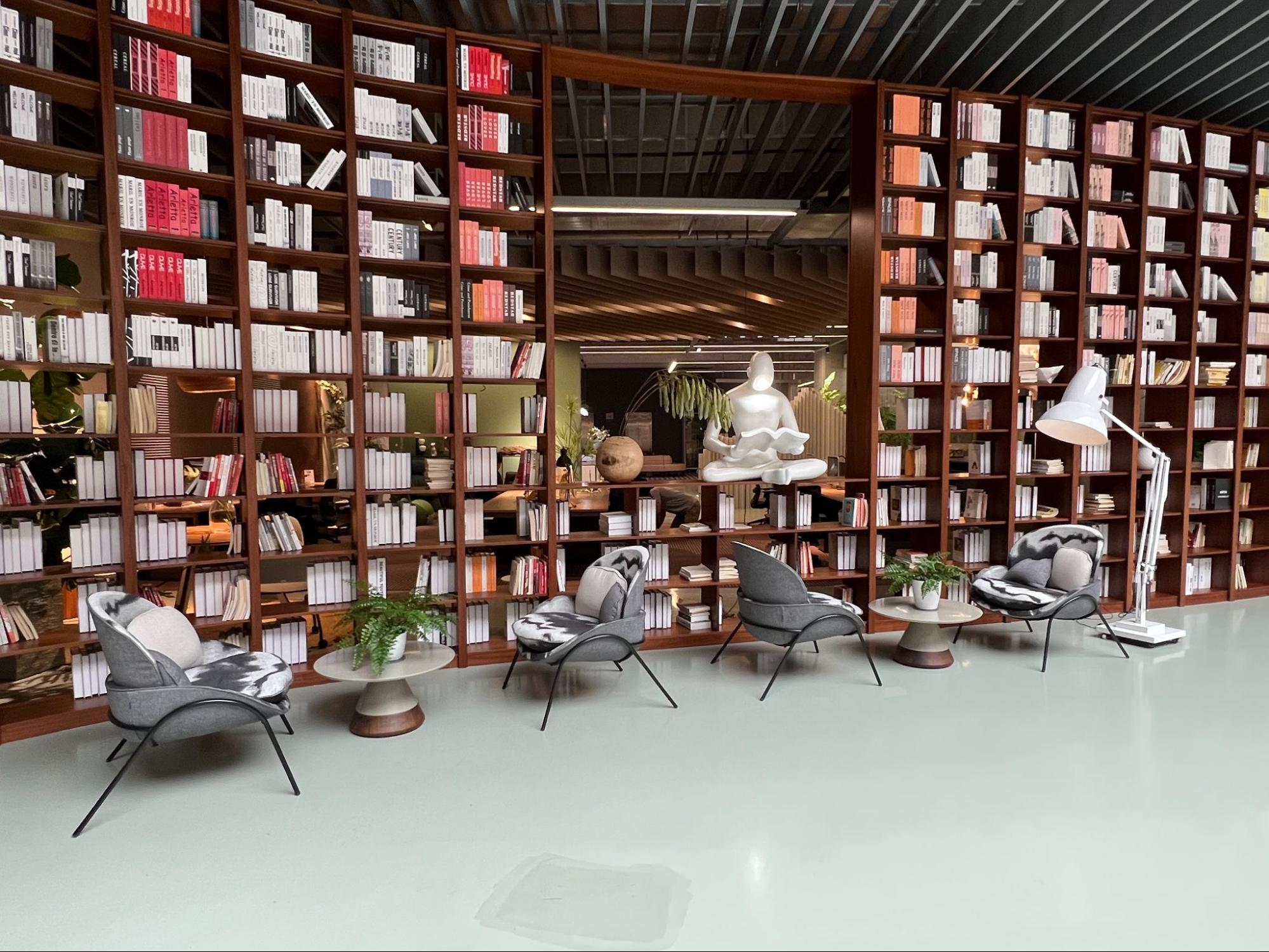
Nothing says "cubicle farm" like the hum of overhead troffers. Strategizing your lighting involves layering. Instead of one harsh source of light, use floor lamps with warm bulbs in lounge areas and adjustable task lighting at workstations. When you control the light, you control the mood. Dimmer, warmer light encourages social bonding and creativity, while bright, targeted light supports focus.
Homes aren't built in perfect grids, so why should your office be? Ditching the cubicle means embracing organic flow. Use curved sofas to define "neighborhoods" or open shelving to create soft boundaries between departments. This creates a sense of discovery and privacy without the claustrophobia of a four-walled cubicle.
When you stop cramming desks into every available inch, you open up the floor for specialized zones that actually support different types of work. A home has rooms for different purposes—sleeping, eating, socializing—and your workspace should be no different.
Sometimes the best ideas happen when you’re leaning back, not leaning in. A resimercial lounge area with deep-seated chairs and coffee tables encourages the kind of relaxed, creative brainstorming that a boardroom table kills. This is where the "accidental" genius happens.
Instead of a row of cubicles, imagine a designated quiet zone with high-backed wing chairs, soft lighting, and perhaps a small collection of reference books. This provides the sanctuary needed for deep work—writing, coding, or strategizing—while maintaining the aesthetic of a high-end personal study.
The kitchen is the heart of the home, and the breakroom should be the heart of the office. By using communal island seating and cafe-style tables, you turn a place to "grab water" into a place to "connect and collaborate." It’s about creating a space for the "water cooler talk" to actually happen comfortably.
A common mistake is buying actual residential furniture for an office. A sofa designed for a family of four will collapse under the weight of a 200-person company within six months. Residential fabrics are rarely rated for the "double rubs" (abrasion testing) required in a professional setting.
True resimercial strategy involves selecting pieces that look like they belong in a boutique hotel but are built with commercial-grade frames and "heavy-duty" performance fabrics. We’re talking about stain-resistant textiles that can handle a spilled latte and steel-reinforced joints that won't wobble after a year of use. This is where professional guidance becomes essential—ensuring your "comfort" doesn't become a "maintenance nightmare."
Why does this matter? Because our brains are wired to react to our environment. High-walled cubicles trigger a "silo" mentality—employees feel like cogs in a machine. Open, soft environments trigger a "community" mentality.
By incorporating biophilic elements (plants, natural light, organic shapes), you’re tapping into an evolutionary preference for nature. Studies show that employees in offices with natural elements report a 15% higher level of well-being and are 6% more productive. Resimercial design isn't just an aesthetic choice; it’s a performance-enhancing strategy.
Your office shouldn't be a storage unit for people; it should be an ecosystem that supports them. When you ditch the cubicle and embrace a more residential feel, you aren't "going soft." You are recognizing that your team’s cognitive output is directly tied to their physical comfort and psychological safety.
In a world where talent can work from anywhere, they should want to work from your office. Strategizing your environment tells your team: “We want you to be here, and we want you to be well.”
Not at all. When done correctly, it looks like a sophisticated, high-end lounge or a modern tech hub. It’s about "approachable luxury," which often looks much more professional and intentional than a sea of mismatched gray cubicles. It signals to clients that you are a modern, forward-thinking brand.
While some high-end finishes have a higher upfront cost, the longevity and versatility of modular, resimercial pieces often provide better long-term value. Plus, the boost in employee retention and productivity provides a massive ROI that traditional "cheap" furniture never will.
By balancing the soft with the structured. You might have a plush lounge area for collaboration, but your primary workstations remain ergonomically advanced with high-performance task chairs. It’s about the mix, not a total abandonment of structure. Think "Business Casual" but for furniture.
Yes, you can transition in phases. You can start by auditing your "collision zones"—lobbies, breakrooms, and small meeting areas—and introducing resimercial elements there. This allows your team to get used to the new "vibe" before tackling the main floor.
The secret is in the materials. We use commercial-grade performance fabrics that are bleach-cleanable and moisture-wicking. You get the look of linen or wool with the durability of industrial nylon.

We understand the delicate balance of form and function. We don't just pick pretty things; we analyze your workflow to ensure that a "comfortable" chair still supports an eight-hour workday and that a "homey" rug can handle thousands of footsteps. We help you avoid the "fast furniture" traps.
The era of the "office-as-an-island" is fading. Today, the workplace must compete with the comfort of the home and the energy of a third space. By integrating the warmth of residential living with the rigor of professional performance, you’re doing more than just swapping out a desk—you’re signaling a new chapter for your brand.
It’s time to move past the "industrial" mindset and embrace a more human-centric environment. Let’s collaborate to build a space that doesn't just house your team, but actually inspires them to do their best work.
If the phrase "the office" still conjures images of gray fabric walls, flickering fluorescent tubes, and chairs that feel like they were modeled after park benches, we have some good news for you: the 90s are over.
For decades, professional environments were designed to be sterile by mandate. The prevailing logic was simple: if a space felt too much like home, people would stop working and start napping. Innovation was supposed to happen in a vacuum of personality. But the "Great Return" to physical workspaces has proven the exact opposite. Employees don't want a sterile box; they want a place that feels as intuitive and comfortable as their favorite living room, but with the high-octane functionality of a modern headquarters.
Welcome to the era of Resimercial Design. At Workscape Designs, we’re helping companies move away from the "cram and clamor" of traditional layouts and toward a strategy that prioritizes the human element in the workspace. Here is how you ditch the cubicle without losing the professional edge.
Resimercial is a portmanteau of "residential" and "commercial." It’s the art of bringing the warmth, textures, and comfort of home into a professional setting. Think plush upholstery, ambient lighting, and organic materials—but engineered to withstand the 40-hour-work-week grind.
It’s not just about putting a random sofa in the lobby and calling it a day. It’s a deliberate strategy to:
Transitioning away from a cubicle-heavy layout requires more than a trip to a local furniture shop. It requires a rethink of how people interact with their physical surroundings.
The traditional office is a desert of cold laminate and hard plastic. Resimercial design introduces "homey" textures: velvet-touch fabrics, natural wood grains, and woven rugs. These elements don't just look better; they act as natural acoustic dampeners, absorbing the "ping-pong" effect of office chatter. By varying the textures, you create a sensory landscape that keeps the mind engaged but not overwhelmed.
Nothing says "cubicle farm" like the hum of overhead troffers. Strategizing your lighting involves layering. Instead of one harsh source of light, use floor lamps with warm bulbs in lounge areas and adjustable task lighting at workstations. When you control the light, you control the mood. Dimmer, warmer light encourages social bonding and creativity, while bright, targeted light supports focus.
Homes aren't built in perfect grids, so why should your office be? Ditching the cubicle means embracing organic flow. Use curved sofas to define "neighborhoods" or open shelving to create soft boundaries between departments. This creates a sense of discovery and privacy without the claustrophobia of a four-walled cubicle.
When you stop cramming desks into every available inch, you open up the floor for specialized zones that actually support different types of work. A home has rooms for different purposes—sleeping, eating, socializing—and your workspace should be no different.
Sometimes the best ideas happen when you’re leaning back, not leaning in. A resimercial lounge area with deep-seated chairs and coffee tables encourages the kind of relaxed, creative brainstorming that a boardroom table kills. This is where the "accidental" genius happens.
Instead of a row of cubicles, imagine a designated quiet zone with high-backed wing chairs, soft lighting, and perhaps a small collection of reference books. This provides the sanctuary needed for deep work—writing, coding, or strategizing—while maintaining the aesthetic of a high-end personal study.
The kitchen is the heart of the home, and the breakroom should be the heart of the office. By using communal island seating and cafe-style tables, you turn a place to "grab water" into a place to "connect and collaborate." It’s about creating a space for the "water cooler talk" to actually happen comfortably.
A common mistake is buying actual residential furniture for an office. A sofa designed for a family of four will collapse under the weight of a 200-person company within six months. Residential fabrics are rarely rated for the "double rubs" (abrasion testing) required in a professional setting.
True resimercial strategy involves selecting pieces that look like they belong in a boutique hotel but are built with commercial-grade frames and "heavy-duty" performance fabrics. We’re talking about stain-resistant textiles that can handle a spilled latte and steel-reinforced joints that won't wobble after a year of use. This is where professional guidance becomes essential—ensuring your "comfort" doesn't become a "maintenance nightmare."
Why does this matter? Because our brains are wired to react to our environment. High-walled cubicles trigger a "silo" mentality—employees feel like cogs in a machine. Open, soft environments trigger a "community" mentality.
By incorporating biophilic elements (plants, natural light, organic shapes), you’re tapping into an evolutionary preference for nature. Studies show that employees in offices with natural elements report a 15% higher level of well-being and are 6% more productive. Resimercial design isn't just an aesthetic choice; it’s a performance-enhancing strategy.
Your office shouldn't be a storage unit for people; it should be an ecosystem that supports them. When you ditch the cubicle and embrace a more residential feel, you aren't "going soft." You are recognizing that your team’s cognitive output is directly tied to their physical comfort and psychological safety.
In a world where talent can work from anywhere, they should want to work from your office. Strategizing your environment tells your team: “We want you to be here, and we want you to be well.”
Not at all. When done correctly, it looks like a sophisticated, high-end lounge or a modern tech hub. It’s about "approachable luxury," which often looks much more professional and intentional than a sea of mismatched gray cubicles. It signals to clients that you are a modern, forward-thinking brand.
While some high-end finishes have a higher upfront cost, the longevity and versatility of modular, resimercial pieces often provide better long-term value. Plus, the boost in employee retention and productivity provides a massive ROI that traditional "cheap" furniture never will.
By balancing the soft with the structured. You might have a plush lounge area for collaboration, but your primary workstations remain ergonomically advanced with high-performance task chairs. It’s about the mix, not a total abandonment of structure. Think "Business Casual" but for furniture.
Yes, you can transition in phases. You can start by auditing your "collision zones"—lobbies, breakrooms, and small meeting areas—and introducing resimercial elements there. This allows your team to get used to the new "vibe" before tackling the main floor.
The secret is in the materials. We use commercial-grade performance fabrics that are bleach-cleanable and moisture-wicking. You get the look of linen or wool with the durability of industrial nylon.
We understand the delicate balance of form and function. We don't just pick pretty things; we analyze your workflow to ensure that a "comfortable" chair still supports an eight-hour workday and that a "homey" rug can handle thousands of footsteps. We help you avoid the "fast furniture" traps.
The era of the "office-as-an-island" is fading. Today, the workplace must compete with the comfort of the home and the energy of a third space. By integrating the warmth of residential living with the rigor of professional performance, you’re doing more than just swapping out a desk—you’re signaling a new chapter for your brand.
It’s time to move past the "industrial" mindset and embrace a more human-centric environment. Let’s collaborate to build a space that doesn't just house your team, but actually inspires them to do their best work.

Want a Thriving Business? The Connection Between Workspace Aesthetics and Client Trust

Double Your Output: How Workspace Lighting Affects Employee Efficiency

