




.svg)



Imagine spending three months, thousands of dollars, and countless hours of HR manpower to recruit the perfect Senior Developer. They excel in every interview, love your company mission, and seem genuinely excited. Then, they come in for the final on-site visit.
Two days later, you get the dreaded email: "Thank you for the opportunity, but I’ve decided to go with another company."
You wonder what went wrong. Was it the salary? The benefits? The remote work policy?
Often, the real culprit is something hiding in plain sight: your physical office environment.
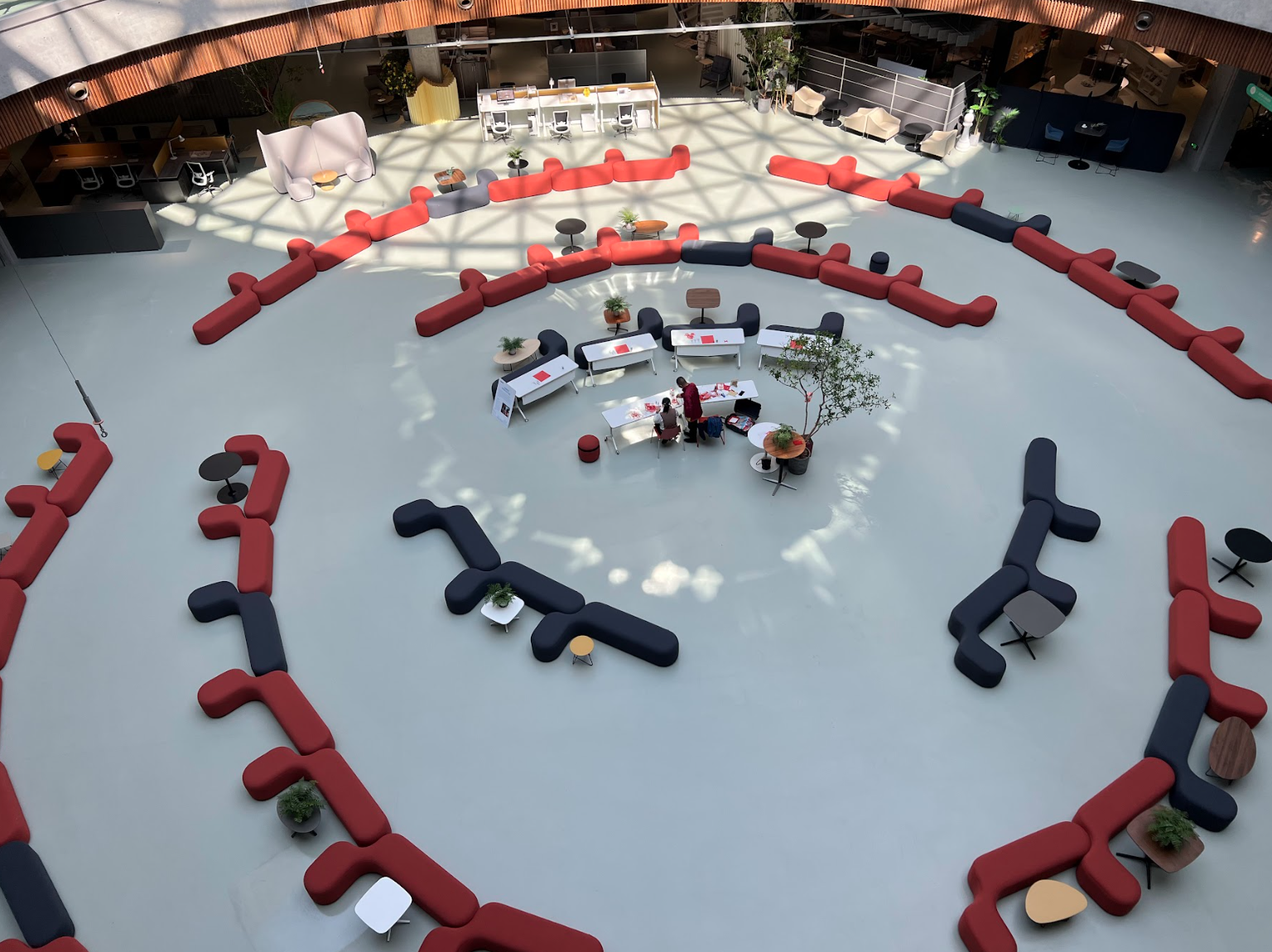
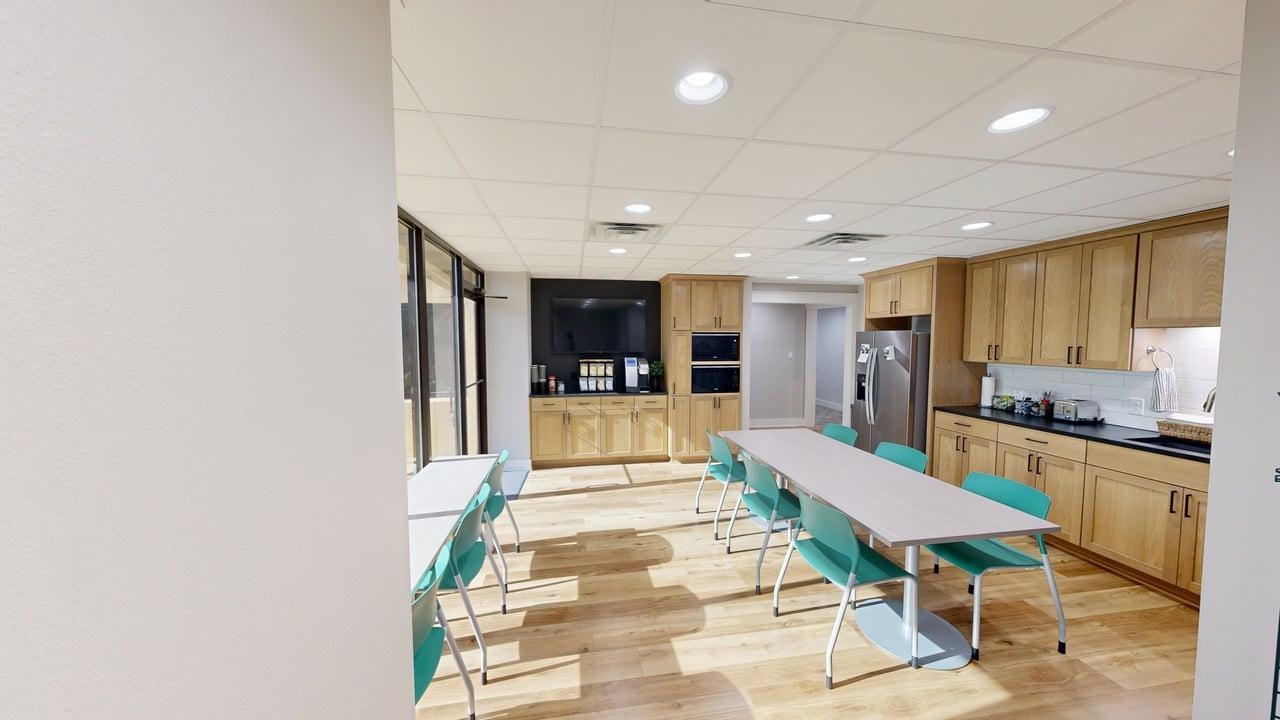
If your workspace consists of endless rows of beige cubicles, harsh fluorescent lighting, a depressing breakroom that smells like burnt coffee, and a distinct lack of natural energy, you are quietly bleeding top talent. In a post-hybrid world, the office is no longer just a place where people have to go; it is a physical manifestation of your company culture. If your space feels stagnant, candidates assume your culture is too.
Here is the hard truth about how your stale workspace is sabotaging your recruitment and retention—and exactly how you can turn it around without entering a five-year construction nightmare.
We tend to look at workspace design as a capital expense rather than a talent acquisition tool. That is a massive mistake. Your environment actively shapes the psychological safety, productivity, and emotional well-being of everyone who walks through the door.
Job seekers are evaluating you just as much as you are evaluating them. The moment a candidate walks into your lobby, they are conducting an unconscious culture audit.
If your space looks exactly like the office their parents worked in thirty years ago, top talent (especially Millennials and Gen Z) will assume your technology, management style, and growth opportunities are equally outdated.
If you are struggling to get people back into the office, look at what you are asking them to leave behind. During the remote work boom, people curated comfortable, personalized home offices with natural light, plants, ergonomic chairs, and immediate access to fresh air.
Asking an employee to leave a sunlit home office to sit in a dark, noisy cubicle where they can hear their coworker chewing ice isn't just a commute—it’s a lifestyle downgrade. If your office doesn't offer a better experience than their couch, resistance is inevitable.
A poorly designed office doesn't just drive people out the door; it drains the life out of the people who stay. "Presenteeism"—being physically present but mentally disengaged—costs businesses billions annually. Stale lighting causes headaches, rigid seating causes chronic back pain, and a lack of quiet spaces creates constant interruption. You aren't just losing talent; you're losing the best version of the talent you already have.
To attract the best, you have to design for the best. Modern, high-performing workspaces focus on three core pillars: Choice, Comfort, and Connection.
The biggest mistake of early 2000s design was assuming one desk size fits all tasks. A standard workday requires deep focus, collaborative brainstorming, casual socialization, and private decompression. A stale office forces all of these into the exact same 5x5 footprint.
Modern spaces utilize Activity-Based Working (ABW). This means giving employees an ecosystem of spaces to choose from throughout the day:
You don’t need to sign a 10-year lease on a new skyscraper or spend millions on a complete demolition to modernize your space. You can make high-impact, rapid adjustments that immediately shift the energy of your office.
Fluorescent lighting kills creativity and induces fatigue. Replace old fixtures with warm, dimmable LED lighting that mimics natural daylight variations. If possible, rearrange desk layouts to ensure that natural light from windows is shared equitably among the team, rather than hoarded by executive offices.
Instead of building new walls, use modular, acoustic furniture to create functional zones. High-backed sofas can instantly create a private meeting nook in the middle of an open floor plan. Mobile whiteboards and modular desks allow teams to configure their own collaborative spaces on the fly.
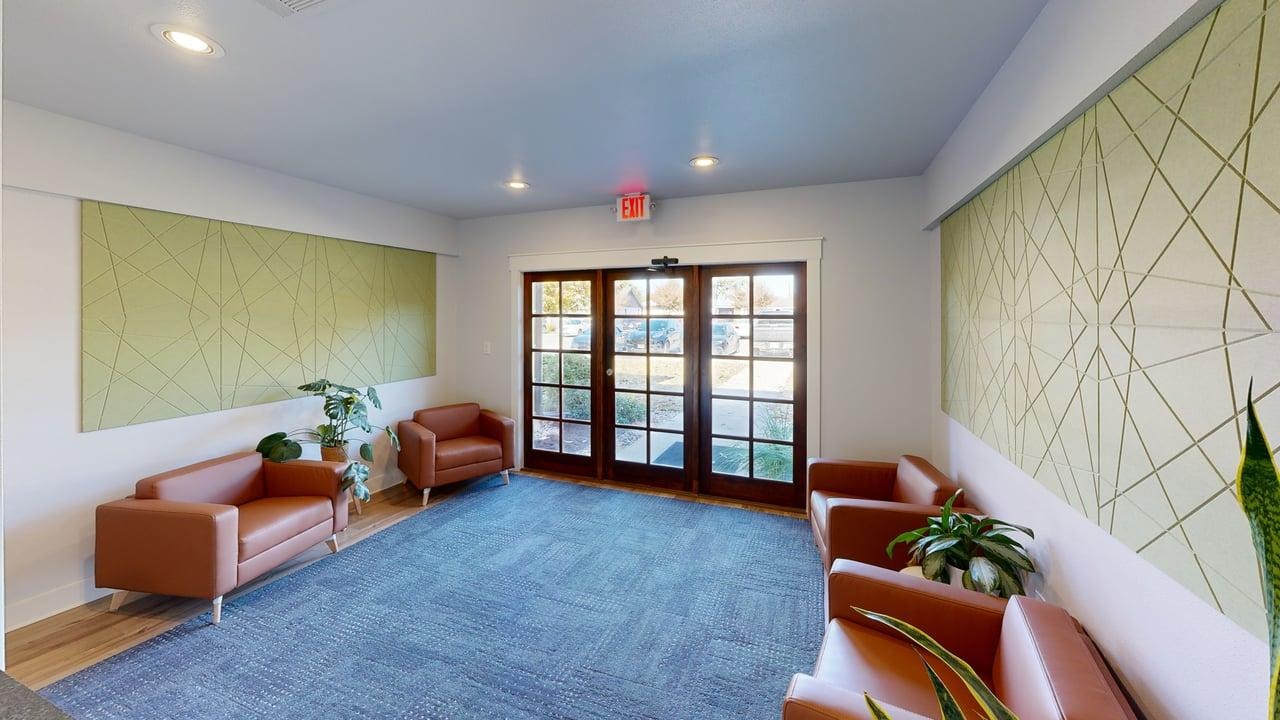
Biophilic design—incorporating nature into the built environment—is proven to lower cortisol levels and boost cognitive function. You don’t need an indoor waterfall. Start by introducing high-quality indoor plants (like snake plants or pothos), utilizing natural wood textures, and painting accent walls in calming, organic tones like soft greens, earthy terracotta, or deep blues.
If your office is entirely open-plan, your introverts and deep thinkers are suffering. Dedicate a single room or corner as a strict "no-talking, no-calls" zone. Install a few comfortable, ergonomic lounge chairs, ambient lighting, and acoustic baffling. It gives employees a place to reset without leaving the building.
Your physical workspace is a silent billboard advertising your company's values. If it screams "1999 bureaucracy," no amount of flashy perks or trendy LinkedIn posts will convince top talent otherwise. By injecting intentionality, flexibility, and comfort into your office design, you turn your workspace into your strongest recruiting asset.
Stop letting a stale office make decisions for your talent pipeline. It’s time to build a space where people actually want to show up, create, and stay.
Don't let an outdated workspace drain your team's potential. Partner with the experts to design a high-performing, culture-driven office that inspires.
Q: We have a hybrid team that only comes in two days a week. Is investing in workspace design still worth the cost?
A: It’s actually more important for hybrid teams. If employees are making the effort to commute, the office experience needs to justify the trip. A well-designed workspace acts as the social and collaborative anchor for hybrid organizations—offering tools, spaces, and collaborative energies that employees simply cannot get while working from home.
Q: How long does a typical office refresh take? Will it disrupt our daily operations?
A: A complete structural overhaul can take months, but a strategic "refresh"—focusing on modular furniture, acoustic updates, lighting, and zoning—can often be executed over a single weekend or in phased stages. Experienced design partners specialize in minimizing operational downtime so your team doesn't miss a beat.
Q: What is the single highest-ROI change we can make to our office tomorrow?
A: Create acoustic diversity. The number one complaint about modern offices is noise distraction. Adding a few dedicated quiet focus pods or installing acoustic paneling in collaborative zones yields an immediate, measurable jump in daily productivity and employee satisfaction.
Your talent deserves better than beige. Let’s create a space that drives collaboration, elevates your brand, and keeps your best people happy.
Imagine spending three months, thousands of dollars, and countless hours of HR manpower to recruit the perfect Senior Developer. They excel in every interview, love your company mission, and seem genuinely excited. Then, they come in for the final on-site visit.
Two days later, you get the dreaded email: "Thank you for the opportunity, but I’ve decided to go with another company."
You wonder what went wrong. Was it the salary? The benefits? The remote work policy?
Often, the real culprit is something hiding in plain sight: your physical office environment.
If your workspace consists of endless rows of beige cubicles, harsh fluorescent lighting, a depressing breakroom that smells like burnt coffee, and a distinct lack of natural energy, you are quietly bleeding top talent. In a post-hybrid world, the office is no longer just a place where people have to go; it is a physical manifestation of your company culture. If your space feels stagnant, candidates assume your culture is too.
Here is the hard truth about how your stale workspace is sabotaging your recruitment and retention—and exactly how you can turn it around without entering a five-year construction nightmare.
We tend to look at workspace design as a capital expense rather than a talent acquisition tool. That is a massive mistake. Your environment actively shapes the psychological safety, productivity, and emotional well-being of everyone who walks through the door.
Job seekers are evaluating you just as much as you are evaluating them. The moment a candidate walks into your lobby, they are conducting an unconscious culture audit.
If your space looks exactly like the office their parents worked in thirty years ago, top talent (especially Millennials and Gen Z) will assume your technology, management style, and growth opportunities are equally outdated.
If you are struggling to get people back into the office, look at what you are asking them to leave behind. During the remote work boom, people curated comfortable, personalized home offices with natural light, plants, ergonomic chairs, and immediate access to fresh air.
Asking an employee to leave a sunlit home office to sit in a dark, noisy cubicle where they can hear their coworker chewing ice isn't just a commute—it’s a lifestyle downgrade. If your office doesn't offer a better experience than their couch, resistance is inevitable.
A poorly designed office doesn't just drive people out the door; it drains the life out of the people who stay. "Presenteeism"—being physically present but mentally disengaged—costs businesses billions annually. Stale lighting causes headaches, rigid seating causes chronic back pain, and a lack of quiet spaces creates constant interruption. You aren't just losing talent; you're losing the best version of the talent you already have.
To attract the best, you have to design for the best. Modern, high-performing workspaces focus on three core pillars: Choice, Comfort, and Connection.
The biggest mistake of early 2000s design was assuming one desk size fits all tasks. A standard workday requires deep focus, collaborative brainstorming, casual socialization, and private decompression. A stale office forces all of these into the exact same 5x5 footprint.
Modern spaces utilize Activity-Based Working (ABW). This means giving employees an ecosystem of spaces to choose from throughout the day:
You don’t need to sign a 10-year lease on a new skyscraper or spend millions on a complete demolition to modernize your space. You can make high-impact, rapid adjustments that immediately shift the energy of your office.
Fluorescent lighting kills creativity and induces fatigue. Replace old fixtures with warm, dimmable LED lighting that mimics natural daylight variations. If possible, rearrange desk layouts to ensure that natural light from windows is shared equitably among the team, rather than hoarded by executive offices.
Instead of building new walls, use modular, acoustic furniture to create functional zones. High-backed sofas can instantly create a private meeting nook in the middle of an open floor plan. Mobile whiteboards and modular desks allow teams to configure their own collaborative spaces on the fly.
Biophilic design—incorporating nature into the built environment—is proven to lower cortisol levels and boost cognitive function. You don’t need an indoor waterfall. Start by introducing high-quality indoor plants (like snake plants or pothos), utilizing natural wood textures, and painting accent walls in calming, organic tones like soft greens, earthy terracotta, or deep blues.
If your office is entirely open-plan, your introverts and deep thinkers are suffering. Dedicate a single room or corner as a strict "no-talking, no-calls" zone. Install a few comfortable, ergonomic lounge chairs, ambient lighting, and acoustic baffling. It gives employees a place to reset without leaving the building.
Your physical workspace is a silent billboard advertising your company's values. If it screams "1999 bureaucracy," no amount of flashy perks or trendy LinkedIn posts will convince top talent otherwise. By injecting intentionality, flexibility, and comfort into your office design, you turn your workspace into your strongest recruiting asset.
Stop letting a stale office make decisions for your talent pipeline. It’s time to build a space where people actually want to show up, create, and stay.
Don't let an outdated workspace drain your team's potential. Partner with the experts to design a high-performing, culture-driven office that inspires.
Q: We have a hybrid team that only comes in two days a week. Is investing in workspace design still worth the cost?
A: It’s actually more important for hybrid teams. If employees are making the effort to commute, the office experience needs to justify the trip. A well-designed workspace acts as the social and collaborative anchor for hybrid organizations—offering tools, spaces, and collaborative energies that employees simply cannot get while working from home.
Q: How long does a typical office refresh take? Will it disrupt our daily operations?
A: A complete structural overhaul can take months, but a strategic "refresh"—focusing on modular furniture, acoustic updates, lighting, and zoning—can often be executed over a single weekend or in phased stages. Experienced design partners specialize in minimizing operational downtime so your team doesn't miss a beat.
Q: What is the single highest-ROI change we can make to our office tomorrow?
A: Create acoustic diversity. The number one complaint about modern offices is noise distraction. Adding a few dedicated quiet focus pods or installing acoustic paneling in collaborative zones yields an immediate, measurable jump in daily productivity and employee satisfaction.
Your talent deserves better than beige. Let’s create a space that drives collaboration, elevates your brand, and keeps your best people happy.

Want a Thriving Business? The Connection Between Workspace Aesthetics and Client Trust

Double Your Output: How Workspace Lighting Affects Employee Efficiency

