
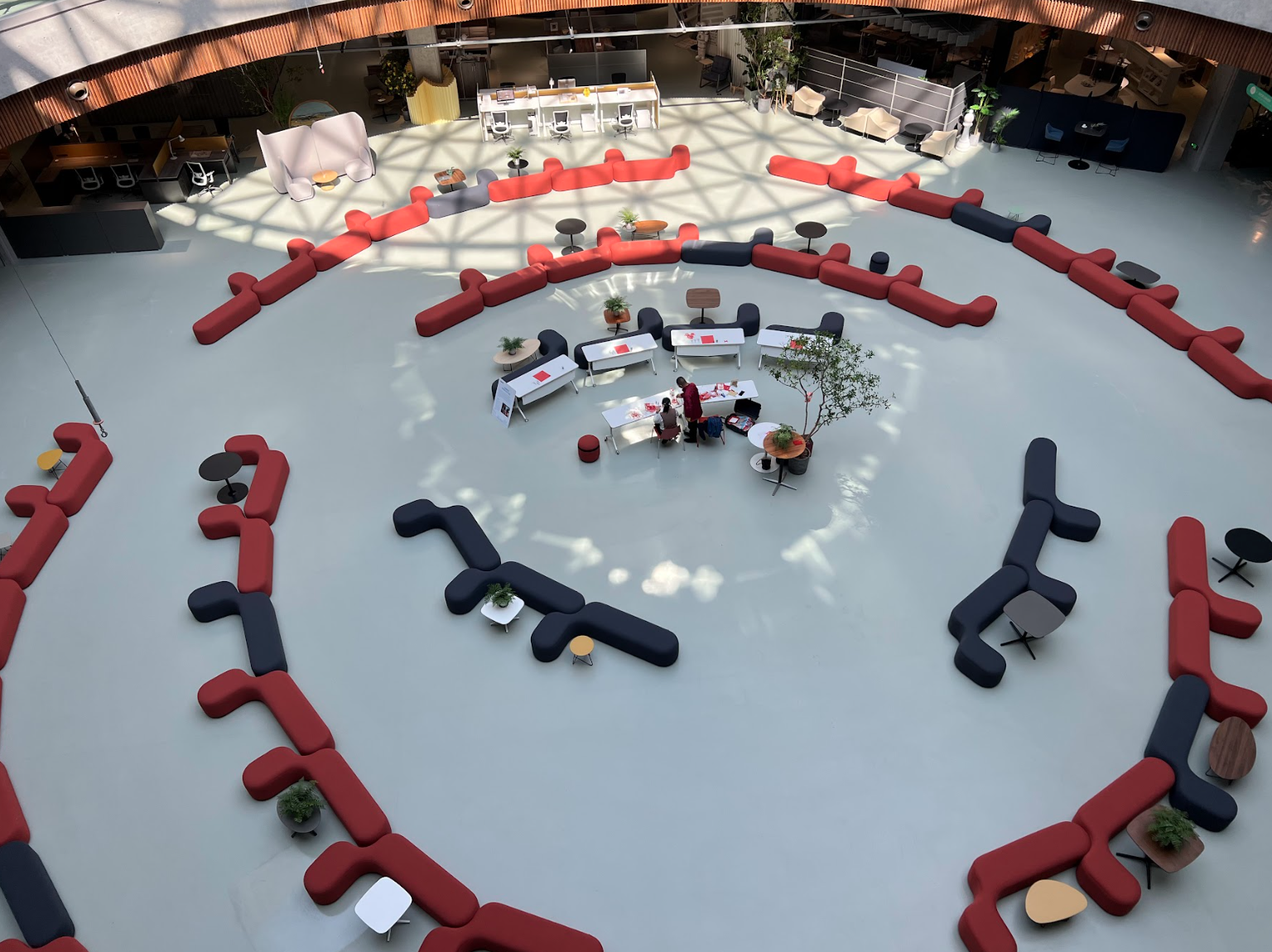
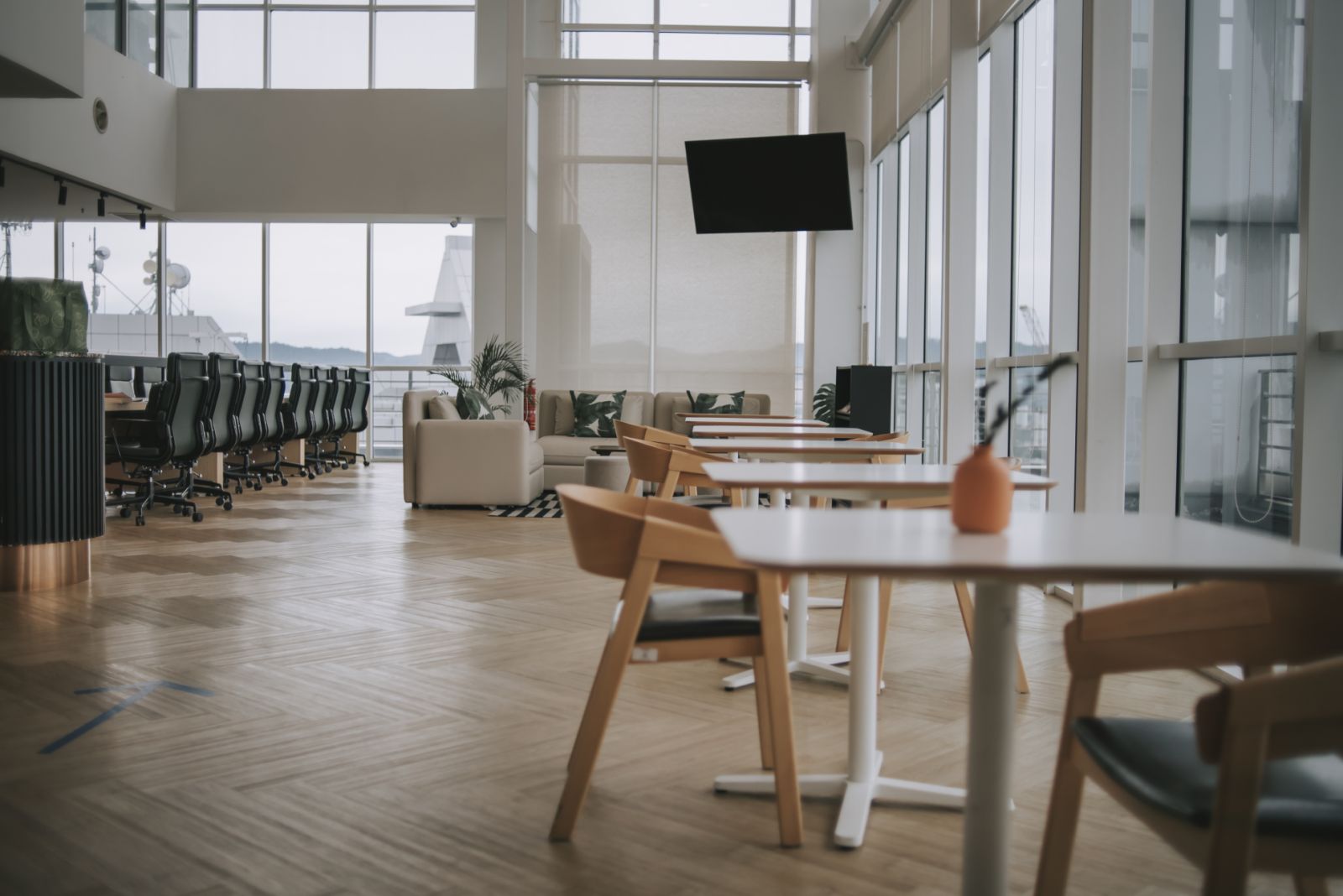
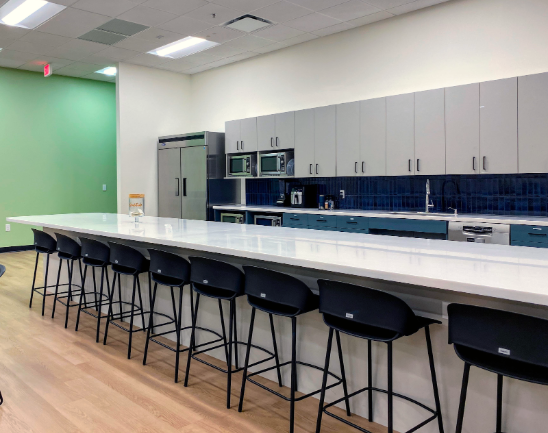
pmg's office hallway

Break Room Designs for Employee Wellbeing

For decades, the "break room" was a sterile, fluorescent-lit square of linoleum tucked into a windowless corner of the office. Its only purpose was utility: a place to store a brown-bag lunch or gulp down a cup of bitter coffee before rushing back to the desk. In many ways, the old-school break room was an extension of the cubicle.

But the modern workplace has undergone a radical transformation. We now know that employee wellbeing isn’t just a "perk" or a buzzword—it is the engine of productivity, retention, and innovation. As the lines between work and life continue to blur, the physical environment must adapt to support the biological and psychological needs of the people within it. Today, the break room has evolved from a utility closet into a strategic wellness hub. When designed correctly, these spaces reduce burnout, foster cross-departmental collaboration, and act as a physical manifestation of your company’s culture.

If you’re looking to transform your office culture, it starts with where your employees stop working. To compete with the comforts of remote work and the allure of high-tech campuses, your office needs a space that offers true respite.

Here is your comprehensive guide to designing a break room that promotes genuine relaxation and high-level engagement from the office interior designers at Workscape Designs.

1. The Power of "Zoning": Social Hubs vs. Quiet Retreats

One of the biggest mistakes in break room design is assuming everyone recharges the same way. We all have different sensory thresholds. Introverts may need ten minutes of complete silence to recover from a marathon brainstorming session, while extroverts might need a quick round of ping-pong or a lively chat to get their energy back.

To satisfy both, you must implement Environmental Zoning. By dividing a single room into distinct "mood areas," you ensure every employee finds what they need.

  • The Social Lounge: This should be the heart of the room. Create a "café-style" atmosphere with communal benches, high-top tables, and comfortable booths. This area should encourage spontaneous "collisions"—those unplanned chats between the marketing team and the engineering department that often lead to the best ideas. Use vibrant colors and durable, high-energy materials here.
  • The Quiet Zone: This is a dedicated "no-phone, no-meeting" area. Use soft textures, acoustic panels to dampen sound, and comfortable recliners or "pod" seating. Dimmer switches or warm floor lamps are essential here to provide a sensory break from the bright LED lights of the main office. This is a space for mindfulness, reading, or simply closing one's eyes for five minutes.
  • The Activity Zone: Movement is a proven stress-buster. If space allows, include engagement tools that get people away from their desks. From classic foosball and ping-pong tables to a simple "Zen garden" station or a communal puzzle table, giving employees a way to engage their hands and minds away from a screen is a powerful cognitive reset.

2. Biophilic Design: Bringing the Outdoors In

Humans have an innate connection to nature—a concept known as biophilia. In an increasingly digital world, we often find ourselves starved for natural stimuli. Studies have shown that even a small amount of greenery can reduce workplace stress by up to 15% and increase overall creativity.

  • Maximize Natural Light: If your break room has windows, don't block them with vending machines or storage cabinets. Arrange seating so employees can look outside. If you’re in a windowless interior space, use "daylight-mimicking" LED panels that adjust in color temperature throughout the day—shifting from cool blue-white in the morning to warm amber in the afternoon—to support the body's natural circadian rhythm.
  • Live Greenery: Incorporate a mix of potted plants, hanging vines, or even a vertical "living wall." Plants don’t just look good; they act as natural air filters and provide a calming visual focal point. For low-maintenance options, consider Pothos, Snake Plants, or preserved moss walls that require zero watering but offer the same visual benefits.
  • Natural Textures and Materials: Move away from cold plastic and industrial metal. Incorporate wood finishes, stone textures, cork flooring, and organic fabrics. These "haptic" elements make the space feel more like a home or a high-end lounge and less like a laboratory.

3. Tech-Forward Engagement: Digital Signage and Connectivity

A break room should be a place to disconnect from work tasks, but it shouldn’t be a place where employees feel "out of the loop." Strategic technology integration can actually improve the break experience by building community and reducing FOMO.
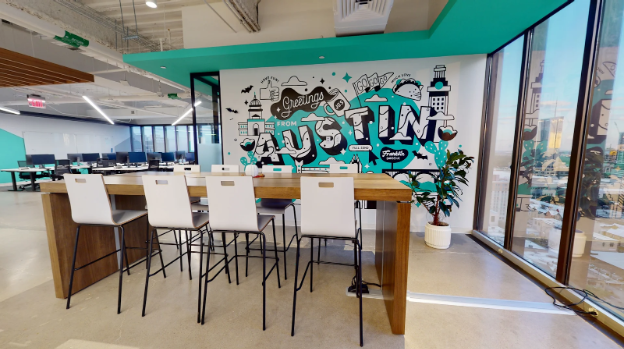
  • Digital Bulletin Boards: Replace the messy, outdated corkboard with sleek digital screens. Use these to display employee birthdays, work anniversaries, shout-outs for recent wins, or even a live "Social Media Wall" showing what’s happening in the company community. It makes the company feel alive and connected.
  • Charging Stations and Power Integration: Nothing causes "micro-stress" like a dying phone battery. Providing integrated USB-C charging ports in tables and secure lockers with power outlets allows employees to charge their personal devices while they recharge their minds, ensuring they don't feel "tethered" to their desks just to stay powered up.

4. Elevated Refreshments: The New Kitchen Standards

Free coffee is the bare minimum in 2026. To truly support wellbeing, your refreshment station should cater to health, dietary diversity, and the "ritual" of the break.

  • The Coffee House Experience: Invest in a high-quality espresso machine or a "Coffee of the Week" program. Providing artisan syrups and various milk alternatives (oat, almond, soy) makes the morning caffeine run feel like a treat. When employees feel they are getting "premium" perks, they feel more valued.
  • The "Brain Food" Bar: Vending machines filled with high-fructose corn oil and sodium lead to energy crashes. Swap them for protein-rich snacks like raw nuts, Greek yogurt, fresh seasonal fruit, and string cheese. By curating the food options, you are actively helping your team avoid the 2:00 PM slump and keeping their energy levels consistent throughout the workday.

5. Ergonomics and Modular Flexibility

Your break room furniture shouldn’t just look cool in a brochure—it needs to be physically supportive and adaptable to different needs.
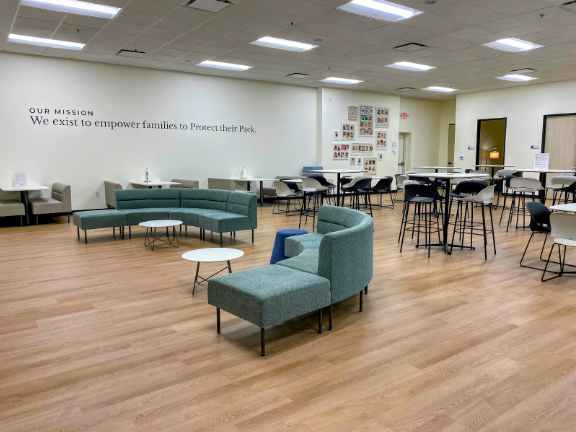
  • Variety of Postures: Throughout the day, our bodies need to move. Include a mix of seating heights. Traditional dining tables are great for lunch, but "soft seating" like sofas and ergonomic bean bags are better for relaxation. Standing-height tables allow those who have been sitting at a desk all day to stay on their feet while they socialize, reducing the physical toll of a sedentary workday.
  • Acoustic Privacy: In open-plan offices, the break room can often become too loud. Use high-back "privacy sofas" or acoustic felt-lined booths. These allow two people to have a private conversation without the sound bleeding into the "Quiet Zone."
  • Modular Layouts: The modern office is a living organism. Choose furniture that is lightweight or on locking casters. This allows the break room to transform into a space for "All-Hands" meetings, birthday celebrations, or even guided meditation and yoga sessions on Friday afternoons.

6. The Psychological Impact: Belonging and Autonomy

Beyond the physical furniture, a well-designed break room addresses two fundamental human needs: belonging and autonomy.
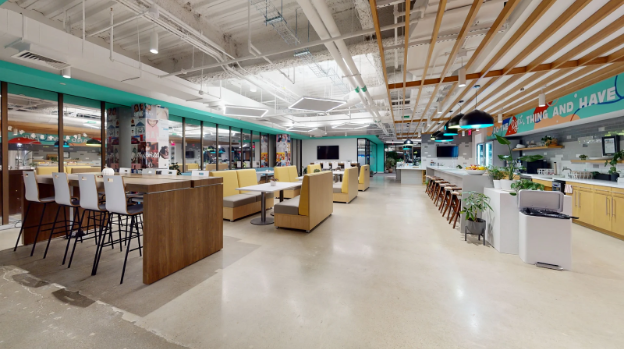
  • Belonging: When you include a "community wall" where employees can post photos of their pets, travel adventures, or hobbies, you humanize the workforce. It reminds everyone that they are part of a team, not just a spreadsheet.
  • Autonomy: Giving employees a choice in how they spend their break—whether it’s playing a game or sitting in silence—empowers them. Autonomy is one of the highest predictors of job satisfaction. A diverse break room design says, "We trust you to know what you need to be your best self."

Break Room Design Ideas FAQs

1: How To Design a Break Room for a Small Office with Limited Space?

In smaller footprints, "multi-use" is your mantra. Choose nesting tables that can be tucked away or stools that stack. Use vertical space for storage and greenery to keep the floor clear. Even a small "recharge corner" with one high-quality armchair, a plant, and a dim lamp can be more effective than a large, poorly designed room. Focus on quality of materials over quantity of square footage.

2: Should We Include a TV in the Break Room?

TVs can be polarizing. In some environments, they provide a great way for teams to bond over news or sports. However, they can also be a source of noise pollution. If you include one, we recommend keeping the volume off or very low, using closed captioning. Alternatively, use the screen as a digital noticeboard that only switches to "live TV" during major shared events, like the Olympics or a company-wide announcement.

3: How Can We Ensure the Break Room Stays Clean and Organized Without a Dedicated Janitor?

Design plays a huge role in maintenance. Use non-porous, antimicrobial surfaces like quartz or high-grade laminate that are easy to wipe down. Provide ample, clearly labeled storage for personal items and snacks to prevent "fridge clutter." Most importantly, involve your employees in the design process. People are far more likely to respect and maintain a space that they feel a sense of "psychological ownership" over.

Designing a Break Room That Works for Your People with Workscape Designs

A break room is more than just a place to eat lunch; it is the heart of your office’s ecosystem. It is where culture is built in the "in-between" moments, where stress is mitigated through thoughtful design, and where your team finds the physical and mental fuel to do their best work.

By prioritizing biophilic elements, intentional zoning, and modern amenities, you send a clear and powerful message to your employees: Your wellbeing is not an afterthought—it is our priority. In the war for talent, the company that provides the best environment for its people to thrive will always come out on top.

Ready to transform your office from a place people have to go into a place people want to be? Whether you are looking for a complete architectural redesign or a few strategic upgrades to your current layout, Workscape Designs is here to help you bridge the gap between office space and break room oasis.

We don't just sell furniture; we design work space design solutions that foster engagement and productivity. We do this through our office and workplace services including:

Connect with one of our office interior designers today to get started on transforming your break room. We are here to help you create a holistic office space where your team can truly do their best work - break rooms included!

 aria-label
Blogs

Break Room Designs for Employee Wellbeing

By Workscape Designs

For decades, the "break room" was a sterile, fluorescent-lit square of linoleum tucked into a windowless corner of the office. Its only purpose was utility: a place to store a brown-bag lunch or gulp down a cup of bitter coffee before rushing back to the desk. In many ways, the old-school break room was an extension of the cubicle.

But the modern workplace has undergone a radical transformation. We now know that employee wellbeing isn’t just a "perk" or a buzzword—it is the engine of productivity, retention, and innovation. As the lines between work and life continue to blur, the physical environment must adapt to support the biological and psychological needs of the people within it. Today, the break room has evolved from a utility closet into a strategic wellness hub. When designed correctly, these spaces reduce burnout, foster cross-departmental collaboration, and act as a physical manifestation of your company’s culture.

If you’re looking to transform your office culture, it starts with where your employees stop working. To compete with the comforts of remote work and the allure of high-tech campuses, your office needs a space that offers true respite.

Here is your comprehensive guide to designing a break room that promotes genuine relaxation and high-level engagement from the office interior designers at Workscape Designs.

1. The Power of "Zoning": Social Hubs vs. Quiet Retreats

One of the biggest mistakes in break room design is assuming everyone recharges the same way. We all have different sensory thresholds. Introverts may need ten minutes of complete silence to recover from a marathon brainstorming session, while extroverts might need a quick round of ping-pong or a lively chat to get their energy back.

To satisfy both, you must implement Environmental Zoning. By dividing a single room into distinct "mood areas," you ensure every employee finds what they need.

  • The Social Lounge: This should be the heart of the room. Create a "café-style" atmosphere with communal benches, high-top tables, and comfortable booths. This area should encourage spontaneous "collisions"—those unplanned chats between the marketing team and the engineering department that often lead to the best ideas. Use vibrant colors and durable, high-energy materials here.
  • The Quiet Zone: This is a dedicated "no-phone, no-meeting" area. Use soft textures, acoustic panels to dampen sound, and comfortable recliners or "pod" seating. Dimmer switches or warm floor lamps are essential here to provide a sensory break from the bright LED lights of the main office. This is a space for mindfulness, reading, or simply closing one's eyes for five minutes.
  • The Activity Zone: Movement is a proven stress-buster. If space allows, include engagement tools that get people away from their desks. From classic foosball and ping-pong tables to a simple "Zen garden" station or a communal puzzle table, giving employees a way to engage their hands and minds away from a screen is a powerful cognitive reset.

2. Biophilic Design: Bringing the Outdoors In

Humans have an innate connection to nature—a concept known as biophilia. In an increasingly digital world, we often find ourselves starved for natural stimuli. Studies have shown that even a small amount of greenery can reduce workplace stress by up to 15% and increase overall creativity.

  • Maximize Natural Light: If your break room has windows, don't block them with vending machines or storage cabinets. Arrange seating so employees can look outside. If you’re in a windowless interior space, use "daylight-mimicking" LED panels that adjust in color temperature throughout the day—shifting from cool blue-white in the morning to warm amber in the afternoon—to support the body's natural circadian rhythm.
  • Live Greenery: Incorporate a mix of potted plants, hanging vines, or even a vertical "living wall." Plants don’t just look good; they act as natural air filters and provide a calming visual focal point. For low-maintenance options, consider Pothos, Snake Plants, or preserved moss walls that require zero watering but offer the same visual benefits.
  • Natural Textures and Materials: Move away from cold plastic and industrial metal. Incorporate wood finishes, stone textures, cork flooring, and organic fabrics. These "haptic" elements make the space feel more like a home or a high-end lounge and less like a laboratory.

3. Tech-Forward Engagement: Digital Signage and Connectivity

A break room should be a place to disconnect from work tasks, but it shouldn’t be a place where employees feel "out of the loop." Strategic technology integration can actually improve the break experience by building community and reducing FOMO.

  • Digital Bulletin Boards: Replace the messy, outdated corkboard with sleek digital screens. Use these to display employee birthdays, work anniversaries, shout-outs for recent wins, or even a live "Social Media Wall" showing what’s happening in the company community. It makes the company feel alive and connected.
  • Charging Stations and Power Integration: Nothing causes "micro-stress" like a dying phone battery. Providing integrated USB-C charging ports in tables and secure lockers with power outlets allows employees to charge their personal devices while they recharge their minds, ensuring they don't feel "tethered" to their desks just to stay powered up.

4. Elevated Refreshments: The New Kitchen Standards

Free coffee is the bare minimum in 2026. To truly support wellbeing, your refreshment station should cater to health, dietary diversity, and the "ritual" of the break.

  • The Coffee House Experience: Invest in a high-quality espresso machine or a "Coffee of the Week" program. Providing artisan syrups and various milk alternatives (oat, almond, soy) makes the morning caffeine run feel like a treat. When employees feel they are getting "premium" perks, they feel more valued.
  • The "Brain Food" Bar: Vending machines filled with high-fructose corn oil and sodium lead to energy crashes. Swap them for protein-rich snacks like raw nuts, Greek yogurt, fresh seasonal fruit, and string cheese. By curating the food options, you are actively helping your team avoid the 2:00 PM slump and keeping their energy levels consistent throughout the workday.

5. Ergonomics and Modular Flexibility

Your break room furniture shouldn’t just look cool in a brochure—it needs to be physically supportive and adaptable to different needs.

  • Variety of Postures: Throughout the day, our bodies need to move. Include a mix of seating heights. Traditional dining tables are great for lunch, but "soft seating" like sofas and ergonomic bean bags are better for relaxation. Standing-height tables allow those who have been sitting at a desk all day to stay on their feet while they socialize, reducing the physical toll of a sedentary workday.
  • Acoustic Privacy: In open-plan offices, the break room can often become too loud. Use high-back "privacy sofas" or acoustic felt-lined booths. These allow two people to have a private conversation without the sound bleeding into the "Quiet Zone."
  • Modular Layouts: The modern office is a living organism. Choose furniture that is lightweight or on locking casters. This allows the break room to transform into a space for "All-Hands" meetings, birthday celebrations, or even guided meditation and yoga sessions on Friday afternoons.

6. The Psychological Impact: Belonging and Autonomy

Beyond the physical furniture, a well-designed break room addresses two fundamental human needs: belonging and autonomy.

  • Belonging: When you include a "community wall" where employees can post photos of their pets, travel adventures, or hobbies, you humanize the workforce. It reminds everyone that they are part of a team, not just a spreadsheet.
  • Autonomy: Giving employees a choice in how they spend their break—whether it’s playing a game or sitting in silence—empowers them. Autonomy is one of the highest predictors of job satisfaction. A diverse break room design says, "We trust you to know what you need to be your best self."

Break Room Design Ideas FAQs

1: How To Design a Break Room for a Small Office with Limited Space?

In smaller footprints, "multi-use" is your mantra. Choose nesting tables that can be tucked away or stools that stack. Use vertical space for storage and greenery to keep the floor clear. Even a small "recharge corner" with one high-quality armchair, a plant, and a dim lamp can be more effective than a large, poorly designed room. Focus on quality of materials over quantity of square footage.

2: Should We Include a TV in the Break Room?

TVs can be polarizing. In some environments, they provide a great way for teams to bond over news or sports. However, they can also be a source of noise pollution. If you include one, we recommend keeping the volume off or very low, using closed captioning. Alternatively, use the screen as a digital noticeboard that only switches to "live TV" during major shared events, like the Olympics or a company-wide announcement.

3: How Can We Ensure the Break Room Stays Clean and Organized Without a Dedicated Janitor?

Design plays a huge role in maintenance. Use non-porous, antimicrobial surfaces like quartz or high-grade laminate that are easy to wipe down. Provide ample, clearly labeled storage for personal items and snacks to prevent "fridge clutter." Most importantly, involve your employees in the design process. People are far more likely to respect and maintain a space that they feel a sense of "psychological ownership" over.


Designing a Break Room That Works for Your People with Workscape Designs

A break room is more than just a place to eat lunch; it is the heart of your office’s ecosystem. It is where culture is built in the "in-between" moments, where stress is mitigated through thoughtful design, and where your team finds the physical and mental fuel to do their best work.

By prioritizing biophilic elements, intentional zoning, and modern amenities, you send a clear and powerful message to your employees: Your wellbeing is not an afterthought—it is our priority. In the war for talent, the company that provides the best environment for its people to thrive will always come out on top.

Ready to transform your office from a place people have to go into a place people want to be? Whether you are looking for a complete architectural redesign or a few strategic upgrades to your current layout, Workscape Designs is here to help you bridge the gap between office space and break room oasis.

We don't just sell furniture; we design work space design solutions that foster engagement and productivity. We do this through our office and workplace services including:

Connect with one of our office interior designers today to get started on transforming your break room. We are here to help you create a holistic office space where your team can truly do their best work - break rooms included!

1. The Power of First Impressions
Ever walked into a place and thought, "Whoa, these folks are in the future!"? That's what a modern workspace can do. It sets the stage, impressing potential clients and partners before you’ve even shaken hands. Remember that chic startup office with stunning lobby art and cutting-edge tech in every corner? Bet you instantly associated them with innovation and success.
2. Promoting Employee Well-being
Now, let's get to the real champs – your employees. Offering them a swanky break room or an ergonomic chair isn’t just a cool perk. It’s a message that you care. An investment in their well-being. Happy, relaxed minds are productivity powerhouses, after all.
Our team recently worked on a workspace redesign, and the changes we saw post-revamp were nothing short of extraordinary. Employees were more relaxed, took fewer sick days, and collaboration spiked. The key? We made well-being a design priority, considering every element – from natural lighting to spacious desk setups.
Fostering Collaboration and Innovation
Open spaces, colorful breakout zones, and comfy couch corners – what do they all have in common? They’re collaboration goldmines. Casual spaces often spark the most unexpected and brilliant brainstorming sessions. Imagine two team members casually chatting over coffee, and BAM! The next big idea is born.
Flexibility and Scalability
Growing fast? Congratulations! But is your office growing with you? Modern workspaces understand the dynamic nature of businesses today. They’re modular, adaptable, and can easily adjust to the changing tides of business. And if you ever need to pivot or diversify, a flexible workspace has got your back.
Integrating Technology Seamlessly
Tech is our trusty sidekick. But is tech embedded elegantly into your workspace? Now that's a superhero duo. Modern designs seamlessly integrate technology. So whether it's video conferencing tools, state-of-the-art presentation tech, or even advanced security systems, they’re all a part of the office ecosystem.
Reflecting on Brand Identity and Culture
Your workspace is more than just a place where work happens. It's a canvas, portraying your brand story. Incorporating brand colors, logos, and design motifs can make employees feel more connected. When a new recruit walks in, they should immediately feel your brand's vibes.
Sustainability: Good for Business and the Planet
Speaking of green, did you know that eco-friendly workspaces can be a reputation booster? Clients, partners, and employees are increasingly valuing sustainability. So when your office shouts, "We care for the planet!", you're not just saving on energy bills but also striking a chord with stakeholders.
Safety and Accessibility
Safety might sound boring, but it's non-negotiable. Modern office designs go beyond fire exits and first-aid kits. They factor in natural calamities, health outbreaks, and even everyday incidents. Plus, inclusivity is the name of the game. Ramps, wide corridors, accessible restrooms – because every employee deserves to feel comfortable and safe.
Wrapping Up
If there’s a single takeaway from our chat today, let it be this: Your workspace is a powerhouse. It’s not just about aesthetics or the latest trends. It’s about creating an environment that fuels business success, impresses stakeholders, and takes care of its inhabitants.
Next time you stroll through your office, give a thought to its potential. Is it just a space? Or is it the secret weapon waiting to catapult your business to greater heights?
Here's to spaces that inspire, empower, and succeed! Cheers!
WANT TO ELEVATE YOUR WORKSPACE? JOIN OUR NEWSLETTER NOW.
Thank you! Your submission has been received!
Oops! Something went wrong while submitting the form.
An office space
 aria-label
Next In Collection
The Essential Guide to Office Lobby Build Outs and Office Construction
Read Now  
Want to transform your workspace?
 aria-labelLet's Chat aria-label