It’s day one. The desk is clean, the welcome packet is branded, the Slack invites are flying in; and yet, the new hire feels like they’ve just dropped into the deep end of a pool with no float in sight.
Sound familiar?
First weeks are more than orientation schedules and HR paperwork. They’re psychological marathons, delicate windows of time where impressions crystallize, confidence builds (or crumbles), and loyalty quietly begins to take root. Companies often overlook this emotional terrain, focusing instead on checklists and logistics. But neuroscience, behavioral psychology, and plain old human instinct tell us: a great first week isn’t about being busy, it’s about belonging.
Trust is Built Faster Than You Think
Psychologists call it “thin slicing”: our brain’s ability to form judgments within seconds. New hires are forming opinions not just about the company, but about their decision to join. In those early days, people aren’t just scanning the culture, they’re absorbing it.
If they’re greeted with warmth, shown trust, and included in real conversations (not just jargon-filled meetings), the tone is set. A great first week doesn’t just inform, it reassures: You made the right choice.
They’re Not Looking for Perks. They’re Looking for People.
Forget the swag box. The thing new hires crave most? Connection. Who’s their go-to person? Is it okay to ask questions? What’s unsaid but understood? These answers don’t live in the employee handbook. They live in micro-interactions, casual chats, and the body language of their manager during a Zoom call.
Assigning a work buddy, organizing one-on-one coffees with team members, or even a “Day 3” check-in with a leader, not to quiz, but to listen, goes further than onboarding portals ever will.
Cognitive Overload is Real
There’s a reason the average human attention span is shorter than a goldfish’s. First weeks bombard new hires with information, names, acronyms, tools, team goals. It’s not just a lot; it’s too much.
The brain retains better when given space. Staggered onboarding, interactive sessions over passive PDFs, and time for reflection can make learning stick. It’s not about cramming. It’s about pacing. Think playlists, not lectures.
Autonomy is the Real Flex
One of the fastest ways to lose a new hire’s enthusiasm? Micromanage them from day one. While it’s tempting to spoon-feed every task “just to be safe,” autonomy builds confidence.
Even simple choices, letting them set their own schedule for a shadowing session or giving them a small project to lead, tells your new hire: We trust you. That psychological signal is more powerful than most managers realize.

Environment Shapes Emotion
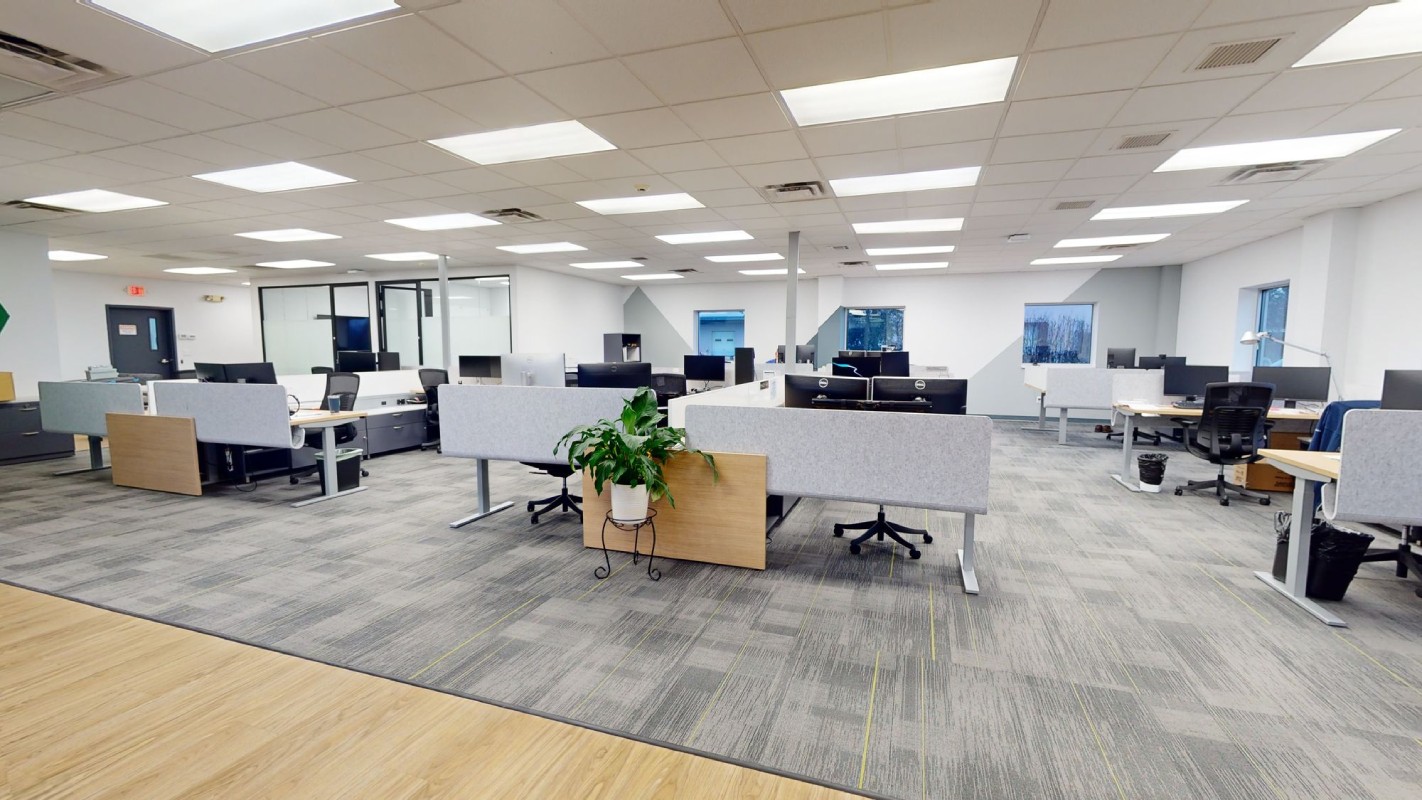
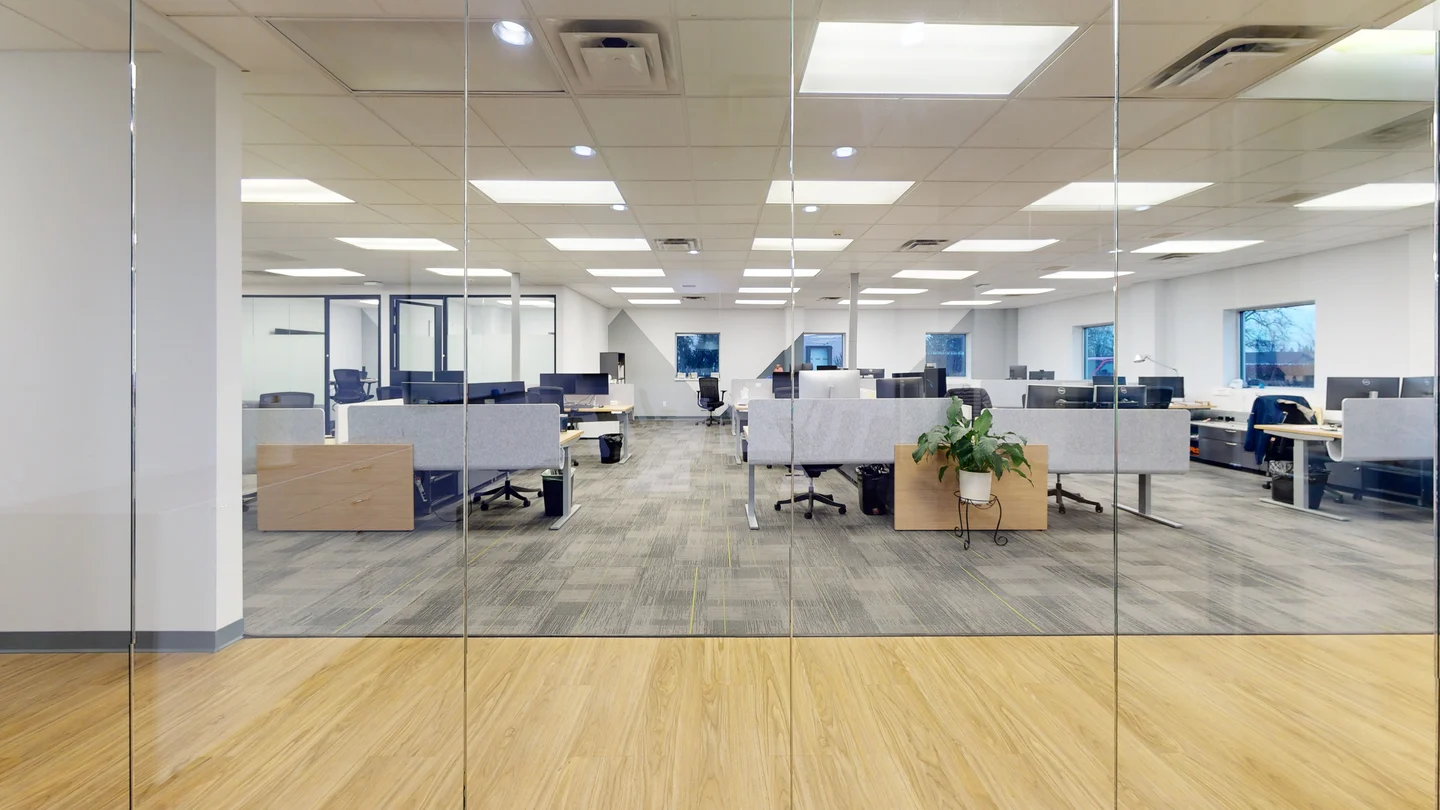
Let’s talk spatial psychology. The way a workplace feels, whether it’s a cozy WFH setup or a physical office, deeply affects a new hire’s mood and mindset. Natural light, greenery, ergonomic chairs, even well-thought-out Zoom backdrops, contribute to a sense of calm and clarity.
Workscape Designs champions environments that invite focus, creativity, and belonging. It’s not just design; it’s emotional design.
What They’ll Remember Isn’t the Handbook
They’ll forget the first-day slide deck. But they’ll remember the person who took time to explain a weird team tradition. Or the leader who dropped in to say, “We’re excited you’re here.” Or the moment they were encouraged to speak up in a meeting, even if they didn’t know the full context.
First weeks aren’t for proving. They’re for belonging. And when new hires feel like they belong, they bring their full selves to work faster and for longer.
Final Thoughts: Onboarding is Emotional Architecture
Your onboarding isn’t a template. It’s a designed experience; one that speaks to the brain, the heart, and the gut. So, next time a new hire joins, don’t just think about what they need to do. Think about how you want them to feel.
Confident. Curious. Welcome. That’s the true psychology of a great first week and the kind of culture Workscape Designs helps create every day.