Most companies say they’re inclusive. They point to the wheelchair ramp, the elevator, the equal opportunity policy in the handbook. But here’s the uncomfortable truth: compliance isn’t the same as inclusion, and most offices aren’t as ready as they think.
Disability inclusion isn’t just about access, it’s about belonging. It’s not just about wide doors, but open minds.
Let’s explore what it really takes to create a workplace that supports disabled employees, not just in theory, but in action.
1. Go Beyond the Ramp: Audit Physical Spaces Holistically
Yes, ramps and elevators matter, but that’s the baseline. Ask:
- Are your restrooms accessible and gender-neutral?
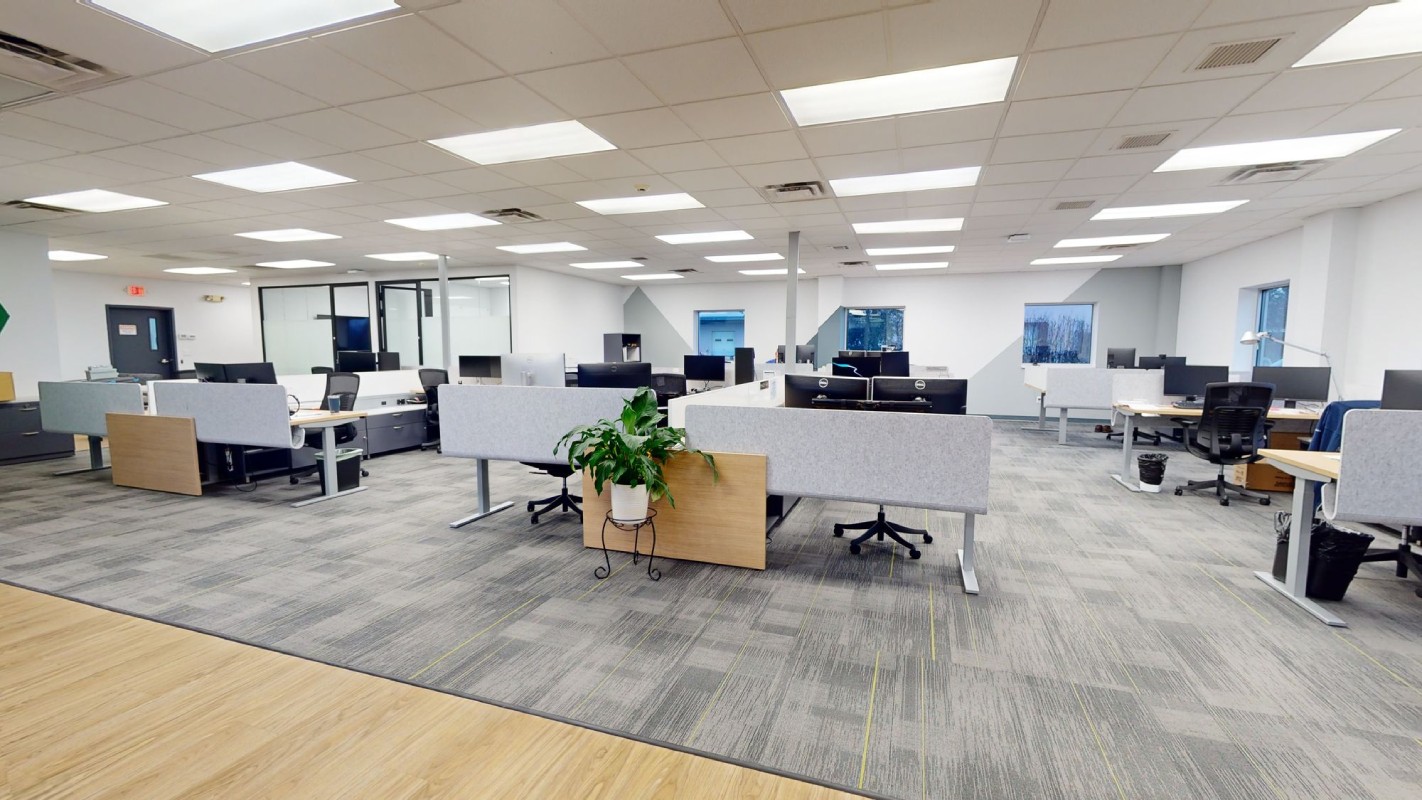
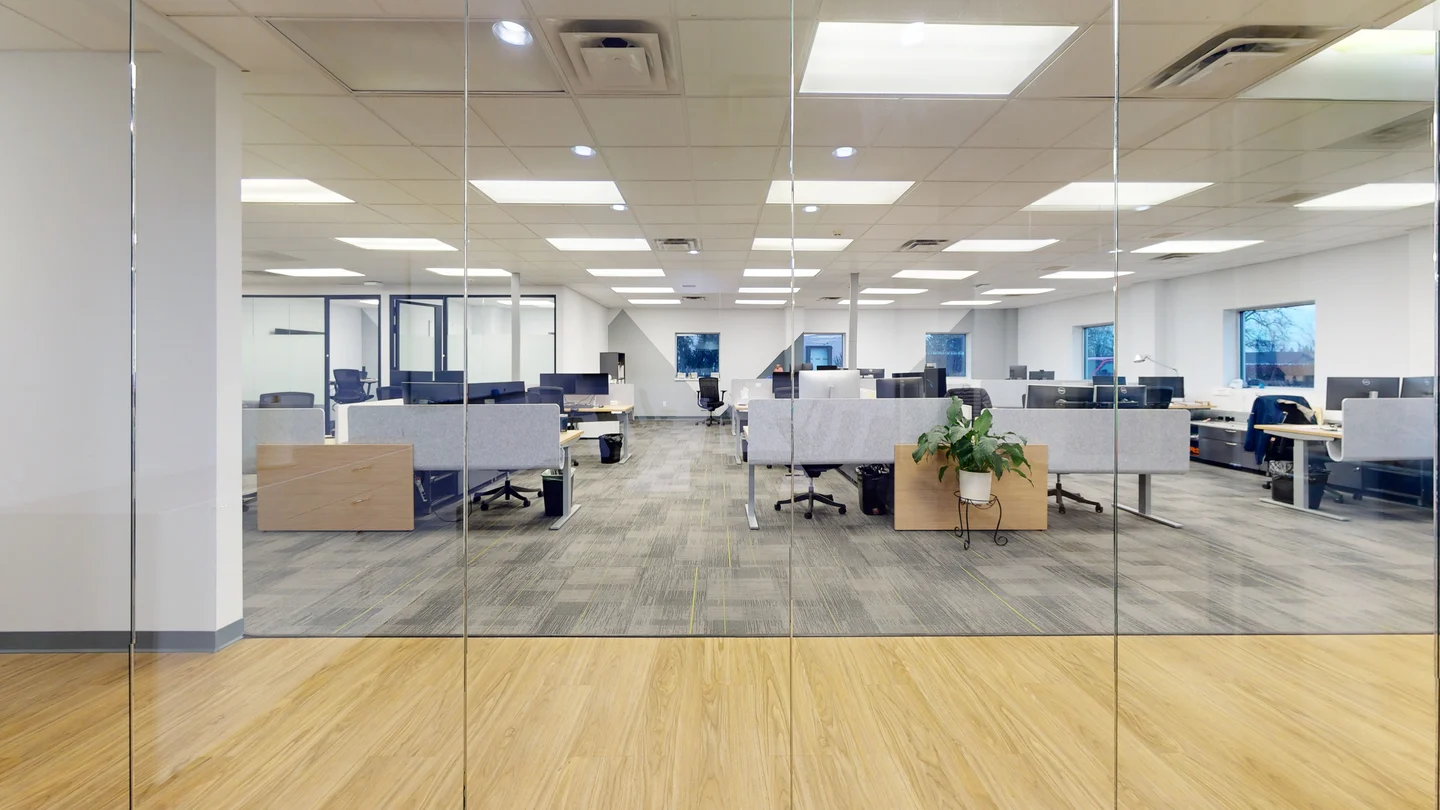
- Is your office furniture adjustable?
- Do you have visual and auditory cues for alarms?
- Are paths to desks wide enough for wheelchair users or mobility aids?
Pro Tip: Invite feedback directly from disabled team members or partner with disability inclusion consultants to run an accessibility audit. Tools like AccessAble or Mobility Mojo can help you assess your spaces honestly.
2. The Digital Office Counts Too
Remote or hybrid? Then your digital space is your office. And yes, it needs to be inclusive.
Ask:
- Are your internal tools screen-reader friendly?
- Are videos captioned?
- Is your company website WCAG (Web Content Accessibility Guidelines) compliant?
Tools like WAVE and Color Oracle can help identify visual and navigational barriers.
3. Consider the “Invisible” Disabilities
Not all disabilities are visible. Employees with chronic pain, autism, anxiety, PTSD, ADHD, or autoimmune disorders may need:
- Flexible work hours
- Quiet zones or noise-canceling options
- Mental health breaks without stigma
- Sensitivity around smells, lights, and textures
Instead of one-size-fits-all, consider a flexible workplace accommodation policy that evolves with employee needs.

4. Language and Attitudes Matter More Than You Think
Creating a truly inclusive space means tackling unconscious bias, microaggressions, and stereotypes.
Do your managers know the difference between “disabled person” and “person with a disability”, and why it matters?
Is your team trained to lead with empathy, not assumptions?
Consider monthly inclusion workshops or lunch-and-learns led by people with lived experience. A good place to start is with organizations like The Valuable 500 or Scope UK.
5. Feedback Isn’t Optional, It’s Your Compass
Inclusion isn’t a finish line, it’s a process. You won’t always get it right, but you should always be listening.
- Run anonymous inclusion surveys.
- Create an accessibility committee or employee resource group (ERG).
- Offer safe, anonymous ways to report barriers or discrimination.
So… Is Your Office Really Ready?
If your answer is “kind of,” “not sure,” or “we’re working on it,” that’s okay. But, it’s also your cue to do better.
True inclusion is proactive, not reactive. It’s about designing workplaces that don’t just accommodate, they empower. Because when you build a space that supports disabled employees, you’re not just doing the right thing, you’re unlocking untapped innovation, loyalty, and perspective.