For years, companies believed that setting up a nursing room was enough. A small private space with a chair, a sink, and maybe a fridge; and voilà, they’d “checked the box” for supporting mothers at work. But motherhood, as every working woman knows, doesn’t fit neatly into one room. It spills into meetings, deadlines, daycare calls, emotional juggling, and an entire redefinition of identity.
The truth is, maternity inclusion is not just a facility, it’s a philosophy.
The Myth of the ‘Perfect Setup’
Let’s be honest, the modern workplace was never designed with mothers in mind. Most office structures, timelines, and expectations were built on the assumption that an employee’s life outside work paused the moment they walked in. But mothers don’t just “switch off” their roles when they arrive at the office. They carry invisible responsibilities: mental lists, fatigue, and, sometimes, guilt.
A nursing room helps, yes. But true inclusion goes beyond comfort, it’s about consideration. It’s about reimagining the workplace to say, “We see you, we value you, and we’ve built this place with your reality in mind.”
Inclusion Is Emotional, Not Just Structural
True maternity inclusion starts with empathy, not policy. It’s the difference between a company that gives new mothers time to adjust, and one that quietly expects them to “bounce back.” It’s about leaders who don’t flinch when a baby cries during a Zoom call, or teams that schedule meetings with flexibility in mind.
When a mother feels understood, not accommodated, but genuinely understood, she performs better, stays longer, and speaks highly of her workplace. That’s inclusion you can’t measure with furniture.

Flexible Design, Flexible Mindset
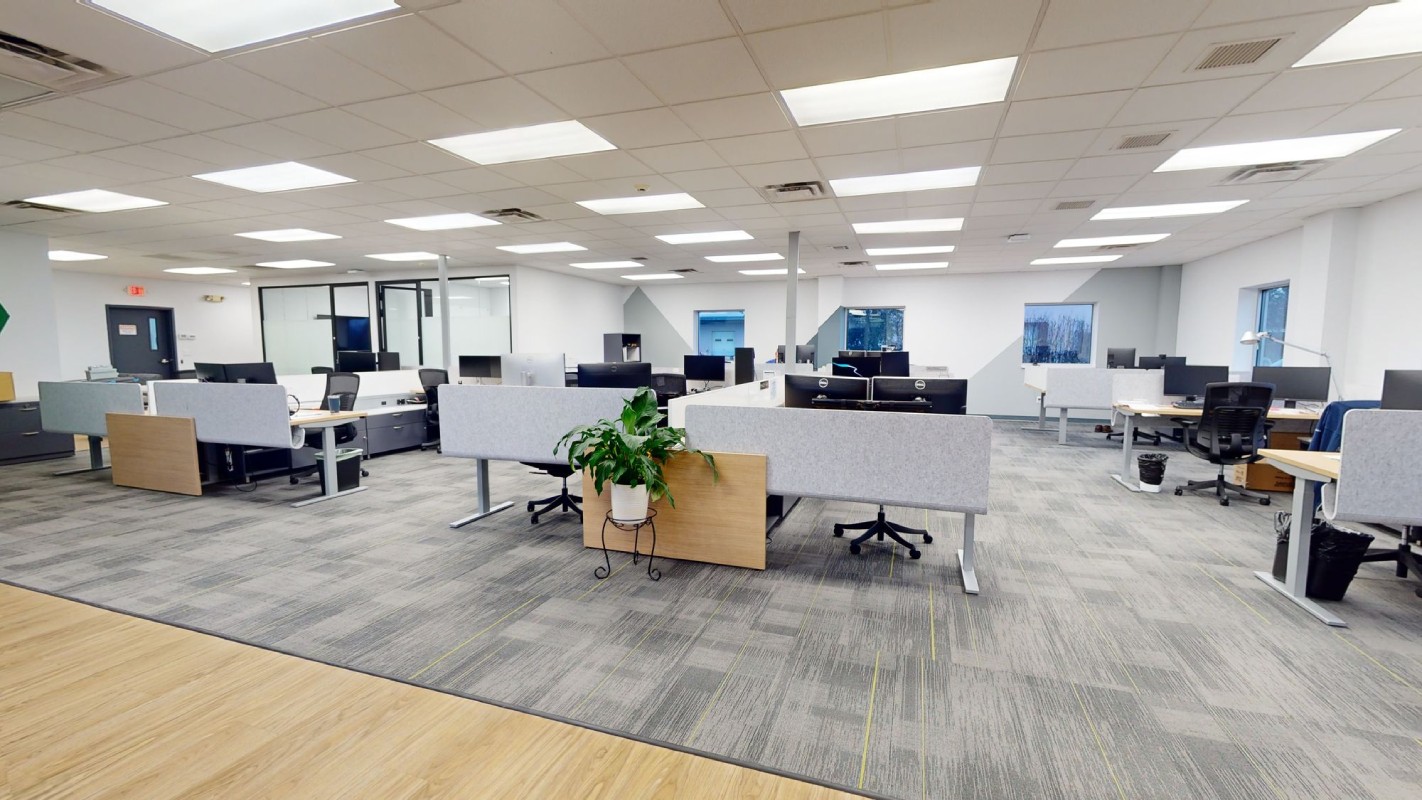
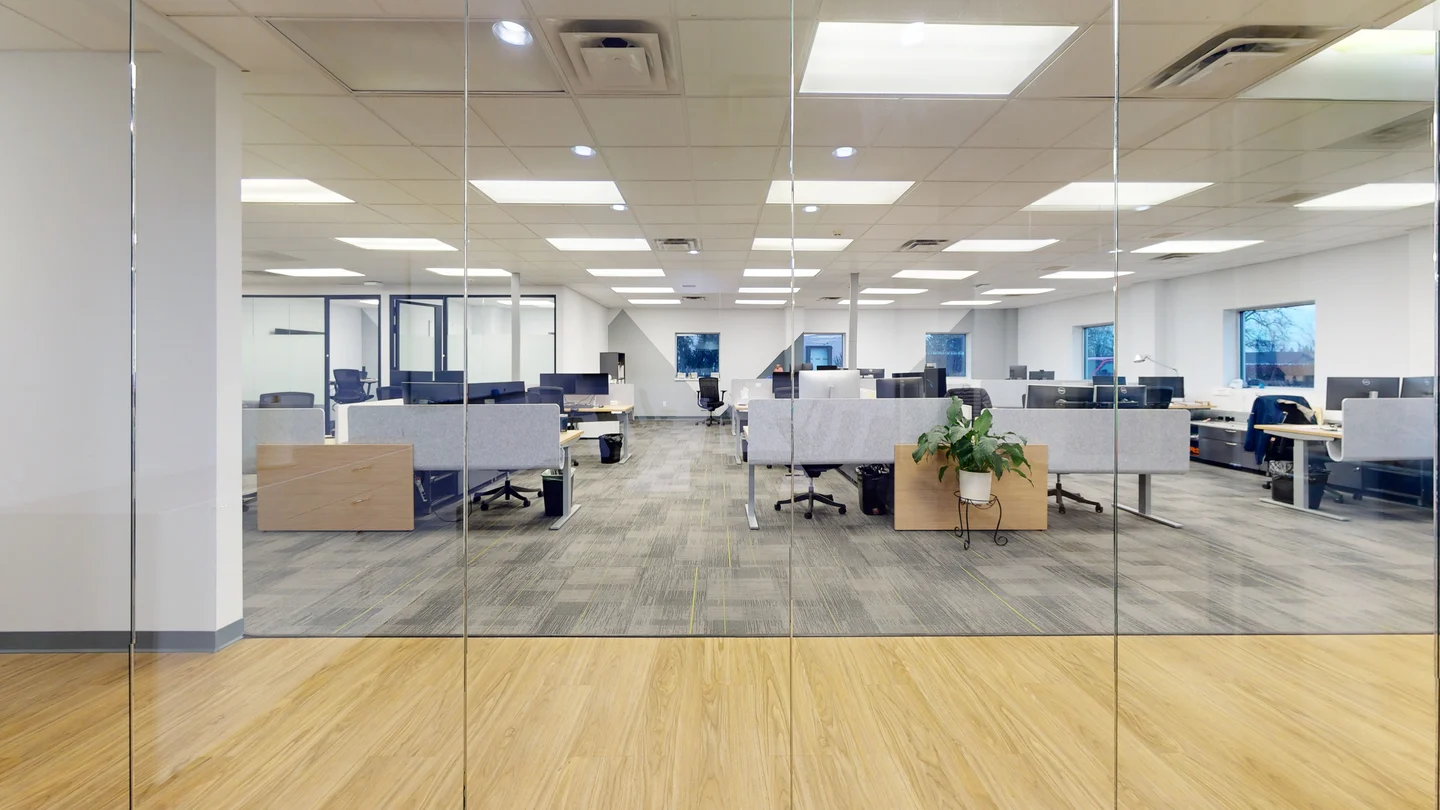
Workplace design can help bridge the gap between motherhood and productivity, but only when it’s rooted in flexibility. Quiet zones can double as wellness spaces. Hybrid work policies can empower mothers to choose balance over burnout. Ergonomic workstations can reduce physical strain after long nights.
But design alone isn’t the hero. Culture is.
A beautiful office means little if the culture penalizes motherhood with side glances or missed promotions. Maternity inclusion happens when flexibility is built into how we lead, not just where we sit.
Support Beyond Maternity Leave
Many women describe the return to work after childbirth as “the second birth.” It’s emotional, confusing, and sometimes lonely. Maternity inclusion means preparing for that phase, creating reintegration programs, offering mental health check-ins, and assigning mentors who’ve walked that path before.
It also means supporting fathers and partners too. When men are encouraged to take paternity leave and participate in caregiving, the workplace becomes fairer for everyone. Inclusion is not a women’s issue; it’s a workplace issue.
Why It Matters
Companies that get this right don’t just retain mothers, they attract top talent. They build reputations as organizations that value people, not just output. Because maternity inclusion says something powerful about leadership: We don’t see you as a liability. We see you as a person worth building around.
And when mothers thrive, teams thrive. They bring empathy to leadership, stability to teams, and resilience to cultures.
The Future of Inclusion
The future of maternity inclusion won’t be measured by the number of nursing rooms or wellness programs. It will be measured by how safe women feel; to speak up, to slow down, and to succeed without apology.
In modern offices, true inclusion is not about separating motherhood from professionalism. It’s about merging the two; gracefully, humanly, and sustainably.
Because when the workplace becomes a space that mothers can return to, not out of duty, but with pride, that’s when we’ll know inclusion has truly arrived.